Laser dentistry
Lip ties and tongue ties

What are tongue-ties and lip-ties?
Tongue-ties and lip-ties happen when the frenum (soft tissue attaching the lip and tongue to the gums) is too short or restricts the range of motion for the lip or tongue in some way.
When this happens babies are unable to latch on properly because they cannot form the correct mouth shape. They may also have trouble swallowing and breathing as the tongue plays a crucial part in this movement.
Lip-tie
The band under the upper lip, where it joins the gum above the front teeth.
Tongue-tie
The band under the tongue, from its underside to the floor of the mouth.
Illustrations, not patient photographs. The frenum is shown in gold.
What are the symptoms of tongue-ties and lip-ties?
While this condition may be difficult to diagnose for the untrained eye, there are some symptoms to look out for. These include:
- Colic or reflux in excess
- Difficulty latching
- A gassy baby
- Poor weight gain
- Discomfort or pain for the mother during feeding
- Sore, cracked or bleeding nipples
Mother’s symptoms of the infant’s tongue tie
Breastfeeding mothers often act as the first indicators of an infant’s lip and tongue tie. When a baby has this condition, it can impact their ability to latch properly and breastfeed efficiently.
As a result, mothers may experience specific symptoms, such as:
- Painful breastfeeding
- Flattened or damaged nipples
- Recurrent mastitis or blocked ducts
- Low milk supply
- Exhaustion, caused by the baby’s frequent and prolonged feeds
If a breastfeeding mother is experiencing these signs, it might be beneficial to have the baby assessed for tongue tie by a member of our team at Aesthetic Laser Dentistry.
Symptoms in toddlers, children and adults for tongue tie
If you notice any of the following symptoms, consult Aesthetic Laser Dentistry for assessment and potential treatment.
Toddlers:
- Difficulty in extending the tongue past the lower front teeth.
- Trouble with certain tongue movements, like licking the lips.
- Speech difficulties, especially with sounds like “t”, “d”, “z”, “s”, “th”, and “r”.
- A gap or space between the lower front teeth.
Children:
- Speech impediments or unclear speech.
- Difficulty in moving the tongue in all directions.
- Difficulty in licking an ice cream cone or lollipop.
- Trouble eating without making a mess.
- Mouth breathing or snoring due to restricted tongue movement.
Adults:
- Difficulty in sticking out the tongue fully.
- Challenges with certain oral activities, like kissing or playing a wind instrument.
- Dental issues, such as increased tooth decay or gum disease, due to difficulty in cleaning the mouth with the tongue.
- Discomfort or strain in the jaw, neck, or shoulders.
- Speech difficulties persisting from childhood.
What are the treatment options for tongue and lip-ties?
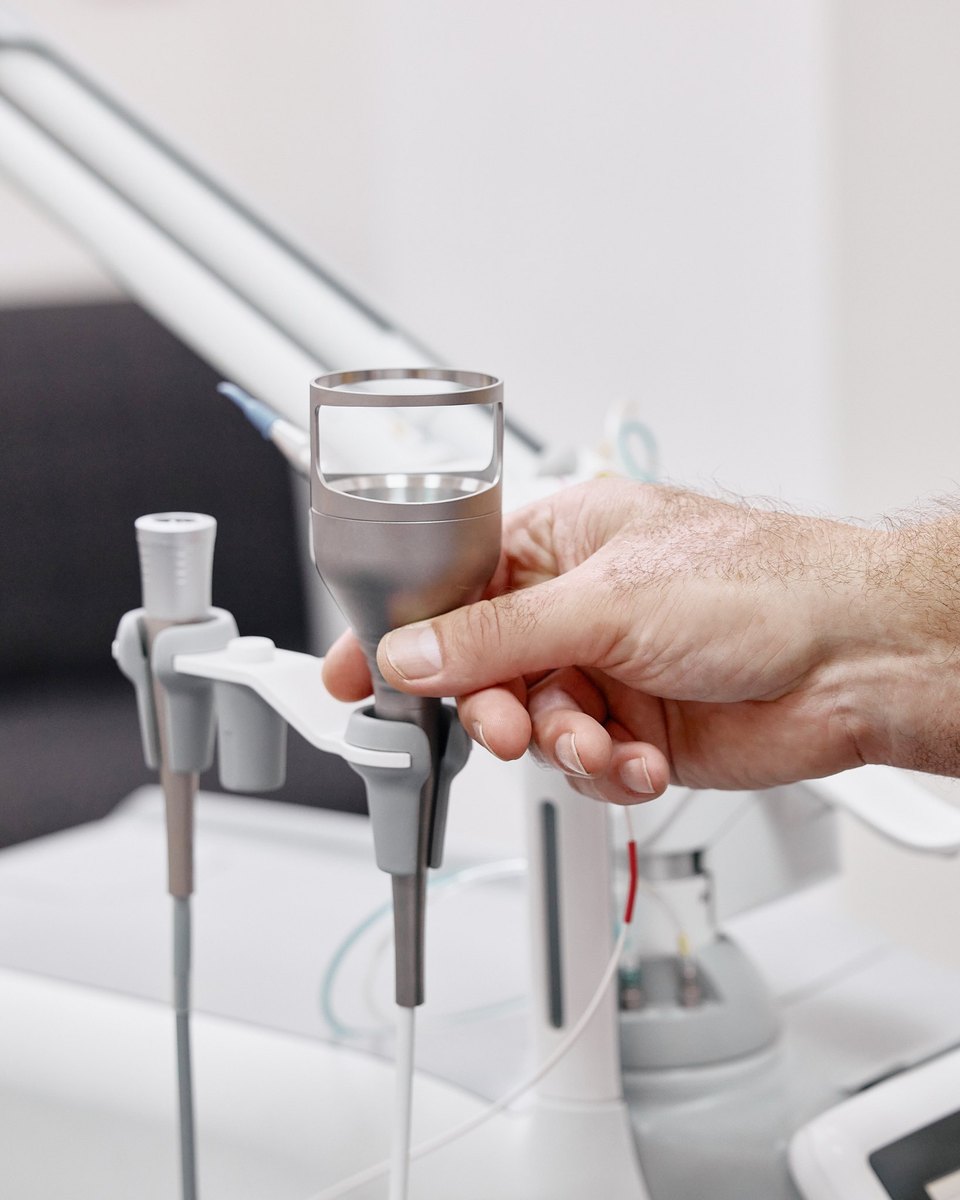
At Aesthetic Laser Dentistry, we remove the ties using our special soft-tissue laser. This ensures that the wound heals efficiently without the need for stitches. The wound will be automatically sealed and the treatment will be completed quickly with minimal discomfort.
Releasing the tie aims to free the movement of your baby’s lips and tongue, which can help them latch on and feed more easily. Where the tie is the cause, this may ease problems such as feeding every 2 hours because your baby cannot get enough milk in each feed, discomfort during feeds, and a gassy, unsettled baby. Every baby is different, so results vary.
This treatment can only be performed on babies up to about 9 months of age. After this, general anaesthetic will need to be used and the treatment becomes considerably more complicated.
We recommend making an appointment to have your baby assessed if you have any concerns at all. We will need a referral from your lactation consultant, maternal health nurse or doctor. It’s always better to be safe than sorry, and an early assessment means any feeding difficulties can be looked at sooner.
Healing and recovery
Recovering from a tongue-tie procedure is not an instantaneous process. You will need time, patience, and attentive medical attention. After all, the post-operative phase is just as critical as the operation itself.
Pain relief
Post-operative pain is a natural occurrence after undergoing a frenectomy (an oral surgery procedure that treats tongue-ties). To manage this pain, you may take over-the-counter pain relief medications. Parents of infants who’ve had the procedure can also give the little ones a cold teething ring or a numbing gel.
Healing exercises
Healing exercises are vital to prevent the reattachment of the frenulum, the tissue that causes tongue-tie. Recommended exercises typically involve gentle stretches and movements to maintain the tongue’s new range.
For babies, parents can encourage their infants to lift their tongues or move them from side to side. Using a clean finger to massage the area under the baby’s tongue can also help.
Tongue mobility
To enhance tongue mobility, try the following:
- Touching the roof of the mouth with the tip of the tongue
- Sticking the tongue out as far as possible
- Touching the corners of the mouth.
- Mimicking speech therapy exercises involving tongue movements
Aftercare and recovery.
Dr Hand gives you aftercare instructions on the day. These are the main things to plan for.
Comfort
Some soreness is expected. Have pain relief ready and follow the dosage guidelines. For babies, ask your doctor or pharmacist what suits their age.
Exercises
Dr Hand will show you gentle stretches to do while the area heals.
Healing
A white or yellow patch usually forms over the area while it heals. This is part of normal healing.
Feeding support
It is not mandatory, but we strongly recommend seeing your lactation consultant after the procedure, as feeding support is an important part of care.
When to call
Phone (03) 9330 2455 if bleeding does not stop with gentle pressure, if your baby will not feed, or if anything worries you.

Does the condition only affect babies?
If the condition is not treated in infancy it may continue through childhood into adulthood. In days gone by, we would generally only notice the problem around the age of 2 to 4 when the child came in for their first appointment or even later when they came to receive orthodontic treatment. This was because as dentists we don’t generally see newborns as they haven’t developed any teeth! Thankfully, with the increasing awareness of these concerns, we have been able to team up with lactation consultants to tackle this condition together.
Occasionally some of our adult patients present with similar issues. Living with this condition can be considerably uncomfortable for speech, eating and drinking as well as the development of teeth.
FAQ’s

My other healthcare provider did not notice the tongue tie, but some of the other healthcare providers did. What’s the real story?
At Aesthetic Laser Dentistry, we recognise that the diagnosis of lip and tongue-tie can sometimes be a subject of discussion among healthcare providers. The identification and diagnosis of tongue-tie (ankyloglossia) differs among professionals for several reasons:
- Different knowledge levels
- Varied opinions on impact
- Various signs and symptoms
At Aesthetic Laser Dentistry, we utilise advanced techniques and adopt a comprehensive approach to evaluate tongue-tie and its potential effects on oral and overall health. We believe in a team-based approach and often suggest seeking views from multiple specialists.
Why might you recommend bodywork (Chiropractic, Osteopathic, Cranio-Sacral Therapy) before the release procedure?
Our recommendation for bodywork, such as Chiropractic, Osteopathic, or Cranio-Sacral Therapy, before the release procedure is rooted in a holistic approach to patient care. We want to keep the patient’s body in the best possible state to benefit fully from the buccal, lip and tongue-tie release.
Do I have to see the lactation consultant after the procedure?
While it’s not mandatory, seeing a lactation consultant post-procedure is vital to ensuring the best outcomes for both mother and child. At Aesthetic Laser Dentistry, we believe in a multidisciplinary approach to care, and lactation consultants play a crucial role in the post-procedure of buccal, lip and tongue-ties in children.
How long will the procedure take?
The tongue-tie release procedure is typically quick, but the exact duration can vary based on individual circumstances. You can expect the entire appointment, from assessment to post-procedure care, to last approximately 30 to 45 minutes.
However, it’s essential to understand that each patient is unique, and factors such as the severity of the tongue-tie, the patient’s age, and their level of comfort can influence the procedure’s duration.
Is there any risk for this treatment?
At Aesthetic Laser Dentistry, we prioritise patient safety and ensure that all procedures are conducted with the utmost care. However, like any medical procedure, tongue-tie releases have inherent risks. Although uncommon, potential risks include: Bleeding, Infection, Scarring, Incomplete release, Pain and discomfort at the site.
How should we prepare for the appointment?
At Aesthetic Laser Dentistry, ensuring our patients are well-prepared and informed is paramount. If you or a family member is preparing for a tongue-tie procedure, here’s a guideline on how to best prepare:
- Consultation: Book an appointment to discuss if the procedure is necessary.
- Oral Hygiene: Brush and floss well to reduce infection risks.
- Eating: Adults and older children should eat lightly a few hours before.
- Dress: Ensure infants wear comfortable and easy-to-remove clothing.
- Pain Management: Have pain relief ready for after the procedure. Follow dosage guidelines.
- Stay Calm: Being relaxed helps, especially with children.
- Ask Questions: If unsure about anything, just ask.
- Bodywork: See professionals like chiropractors if our dentist suggests it.
- Arrival: Come a little early on the procedure day.
- Aftercare: For babies, plan a feed right after to check and soothe.
Can I be in the room during the procedure?
Parents are not in the surgery for the procedure with infants.
How many of these do you do?
Our experienced team has performed numerous cheek, lip and tongue-tie procedures over the years. We ensure each procedure is conducted with precision, care, and the highest standard of patient welfare.
In addition to tongue-tie procedures, we also have extensive experience in other aesthetic dental services including gum recontouring and gum depigmentation.
Are tongue ties a fad?
Tongue ties, or ankyloglossia, are not a “fad”. They are a legitimate medical condition with documented evidence spanning decades.