
Laser dentistry
Snoring and sleep apnoea treatment in Airport West
Custom oral appliances and NightLase laser snoring treatment, working with your doctor.
Aesthetic Laser Dentistry in Airport West makes custom oral appliances for snoring and for obstructive sleep apnoea, and offers NightLase, a Fotona laser treatment for snoring. Sleep apnoea is diagnosed by a doctor, usually after a sleep study, and our dentists provide appliance treatment once it has been diagnosed.
Diagnosed by a doctor
Usually after a sleep study
Oral appliances
Made from a scan of your teeth
NightLase
A Fotona laser treatment for snoring
What is obstructive sleep apnoea?
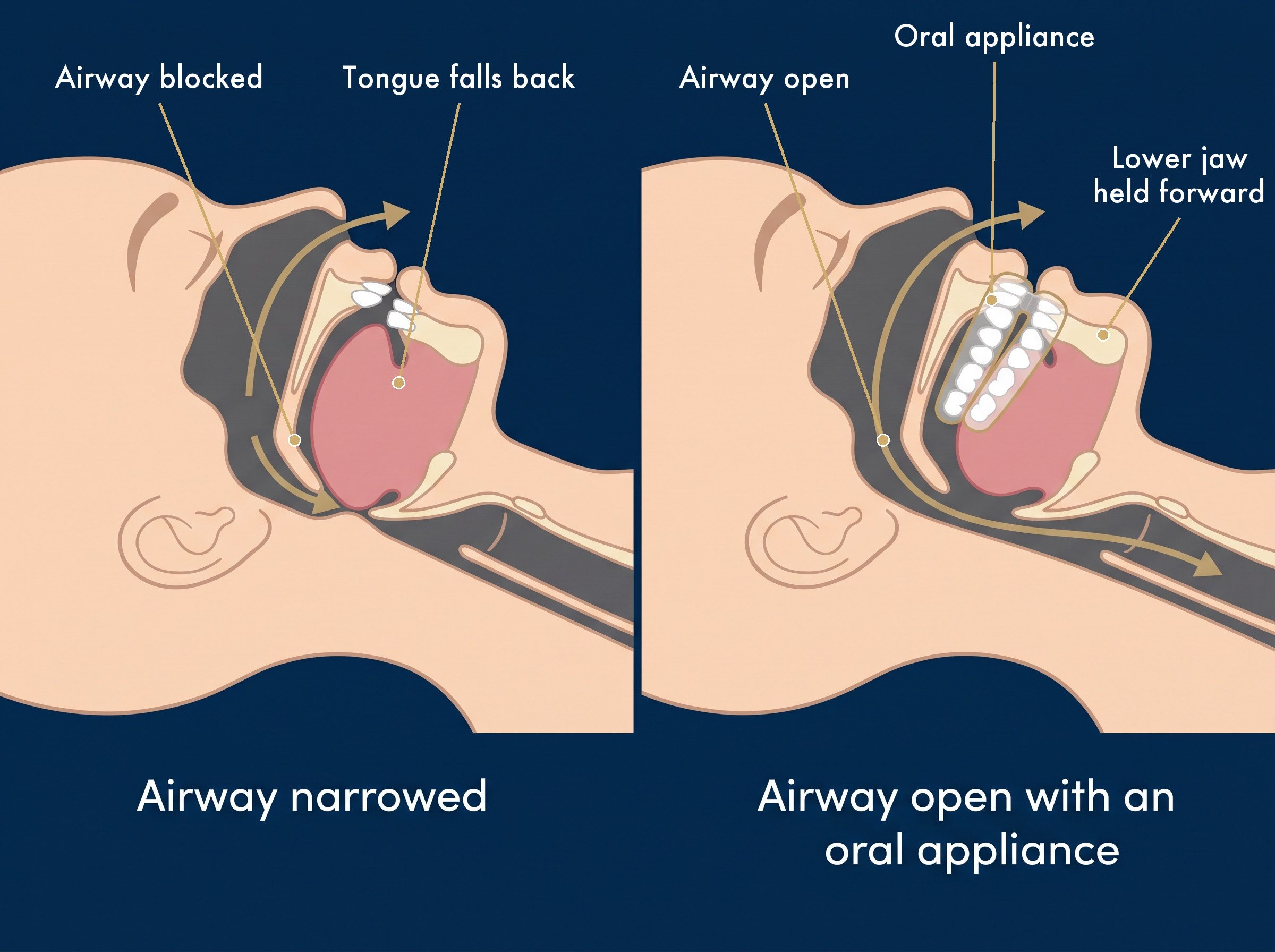
Obstructive sleep apnoea is a common medical problem, and you may have it without realising. During sleep the throat muscles relax and the airway narrows or closes, so breathing stops or becomes shallow, and the brain briefly wakes you to restart it, often with a snort or gasp. This can happen many times a night.
Central sleep apnoea is different: the brain does not send the signal to breathe, and oral appliances do not treat it.
Is snoring the same as sleep apnoea?
No. Snoring is the sound of relaxed tissue at the back of the throat vibrating as you breathe. It can be a sign of sleep apnoea, but many people who snore do not have it.
What are the signs of sleep apnoea?
- Loud, regular snoring
- Pauses in breathing, choking or gasping noticed by a partner
- Waking unrefreshed or with a headache
- Daytime tiredness, poor concentration or poor memory
These symptoms can have other causes, so see your GP if you are concerned. Your GP can arrange a sleep study if one is needed. Our dentists look for these signs during check-ups.
Common risk factors
- Excess weight and a larger neck
- Age
- Being male (with risk for women rising after menopause)
- Alcohol and sedatives
- Smoking
- Nasal congestion
- A family history
- Large tonsils or adenoids in children
How is sleep apnoea diagnosed?
Sleep apnoea is diagnosed by a doctor, usually after a sleep study, and dentists can make custom oral appliances as part of treatment once it has been diagnosed. Your doctor will confirm which type you have and grade it by the number of breathing pauses an hour.
Mild
5 to 14
breathing pauses an hour
Moderate
15 to 29
breathing pauses an hour
Severe
30 or more
breathing pauses an hour
Treatment options include lifestyle changes, CPAP (a machine that keeps the airway open with gentle air pressure through a mask) and oral appliances. Ask your GP or sleep physician which treatments suit you.
How does an oral appliance work?
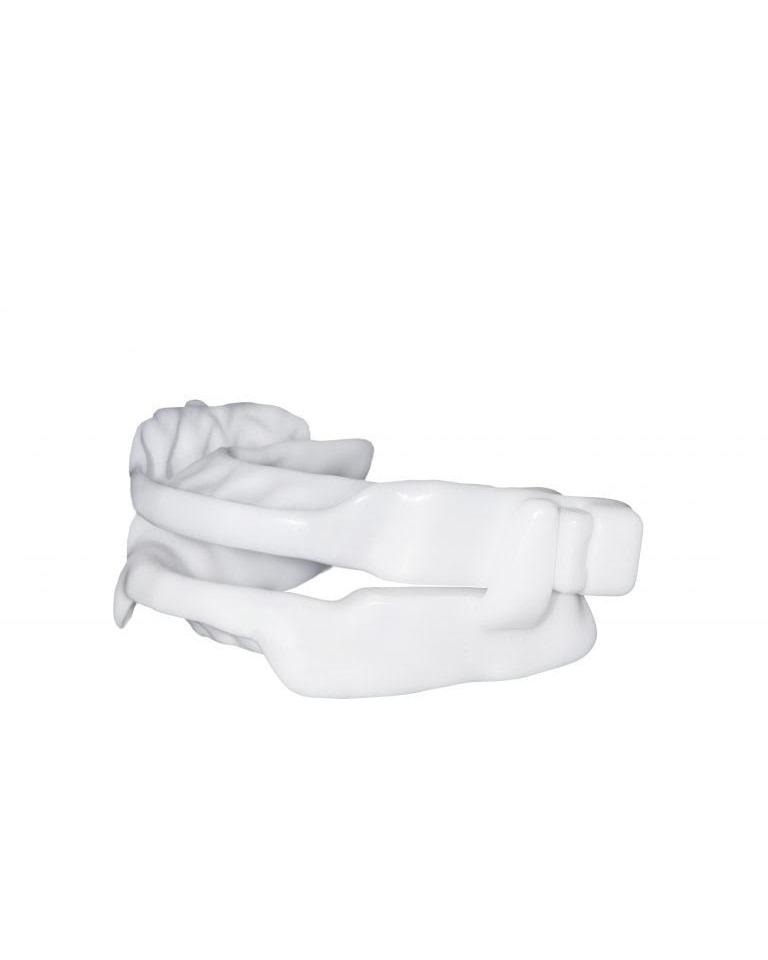
For some people, a custom sleep appliance can help. It holds the lower jaw slightly forward, which can help keep the airway open during sleep. How well it works varies, so your doctor may recommend a follow-up sleep study.
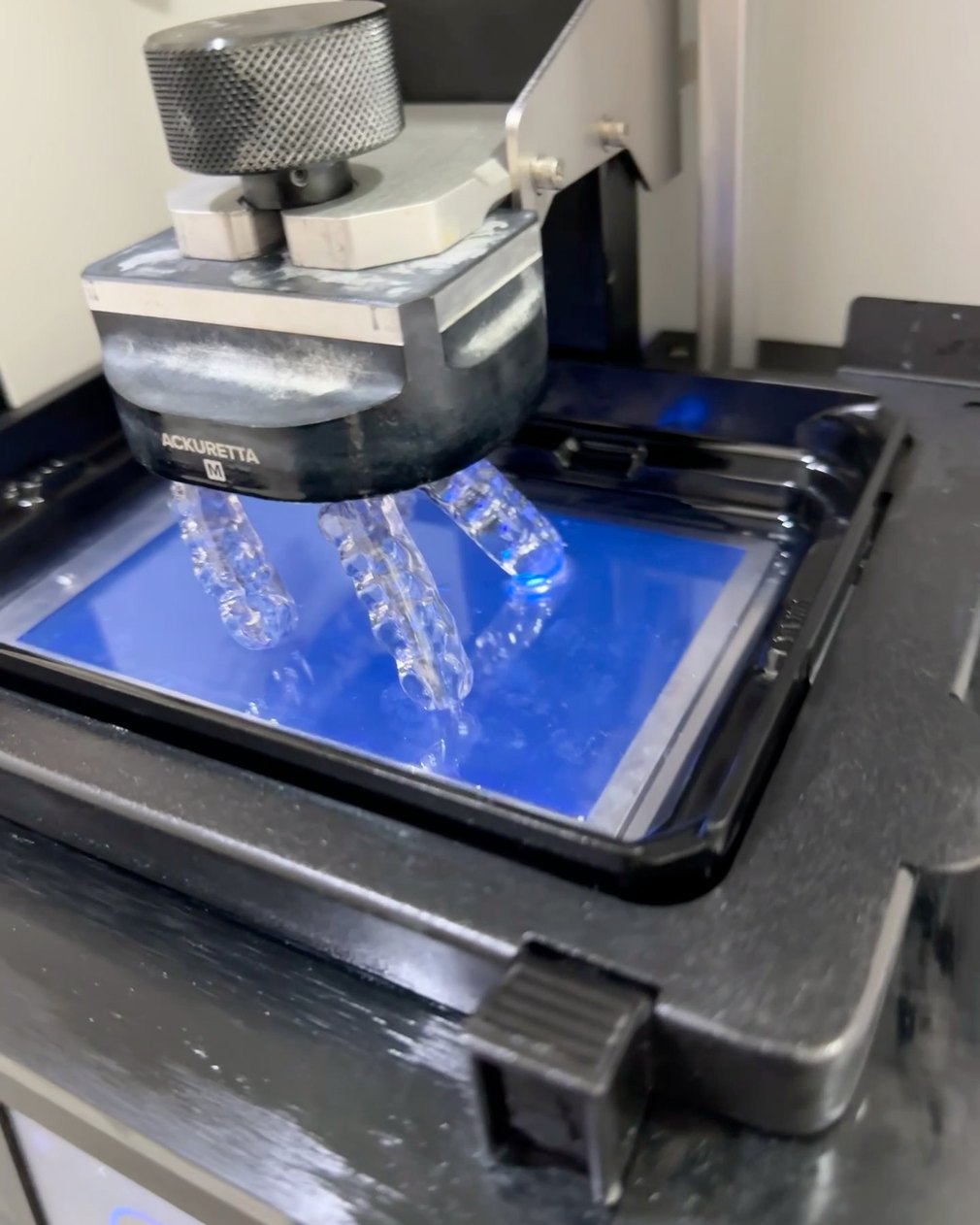
These are also called mandibular advancement splints, and each one is made from a scan of your teeth.
What to expect at the practice
1
Consultation
Your dentist will ask about your sleep and any sleep study results, examine your mouth and jaw, and explain whether an oral appliance may suit you. Bring your sleep study report or doctor’s letter.
2
Scan and fitting
Your teeth are scanned with an intraoral scanner, then the appliance is fitted and you are shown how to wear and clean it.
3
Adjusting
It is moved forward in small steps over the first weeks until it feels comfortable.
4
Review
Regular reviews check your teeth, jaw and bite, and your doctor may arrange a follow-up sleep study.
Possible side effects include jaw or tooth soreness in the first weeks, extra saliva or a dry mouth, and, over years, changes to how the teeth meet, which reviews help pick up early.
What is NightLase?
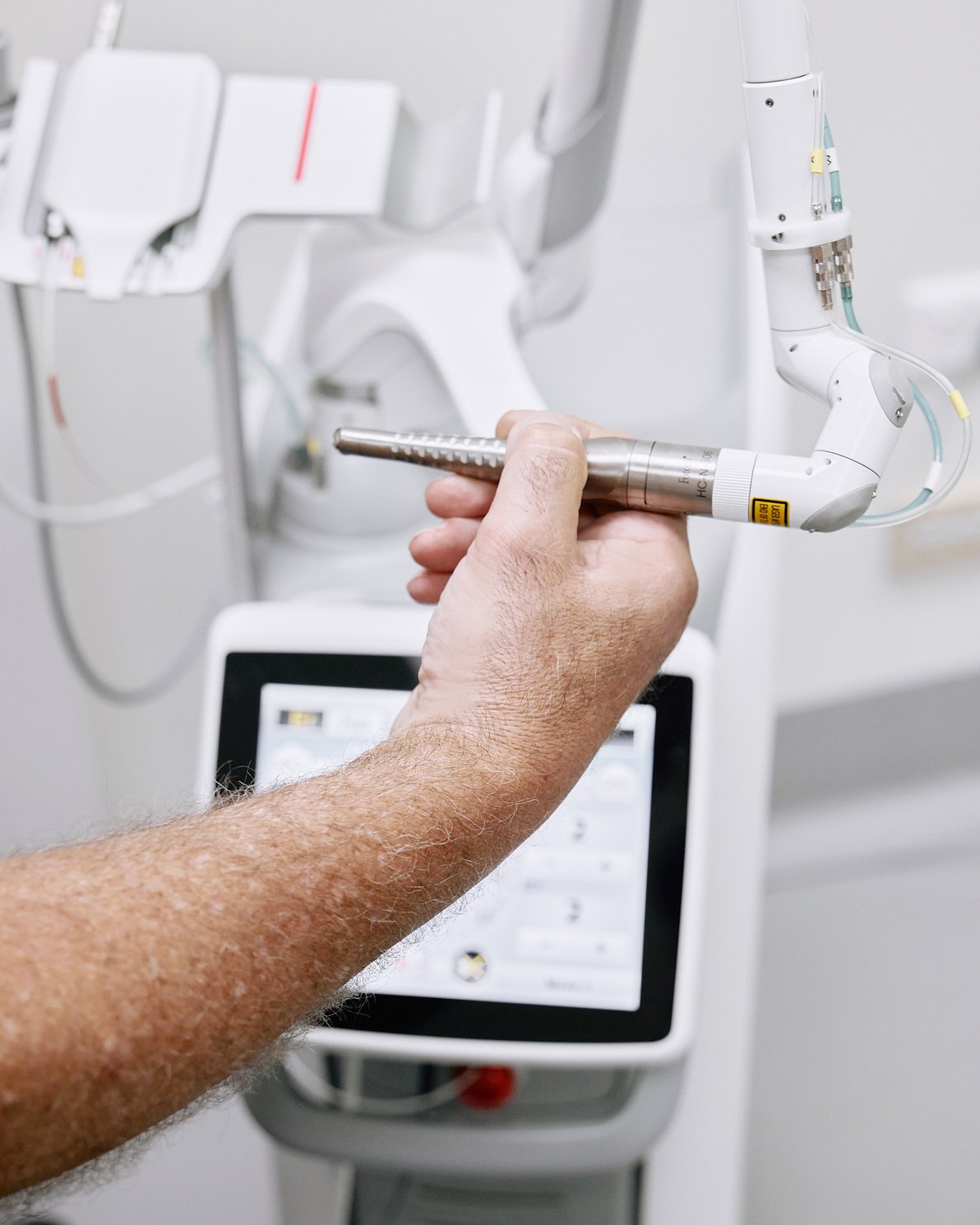
NightLase is a laser treatment for snoring that uses a Fotona laser. The laser gently warms the soft tissue at the back of the mouth, including the soft palate, which tightens it and can reduce snoring for some people. The laser does not cut tissue, and there is nothing to wear at night.
Results vary and can fade over time, so some people return for a further session.
If you have signs of sleep apnoea as well as snoring, see your GP first so it can be assessed.
Your dentist
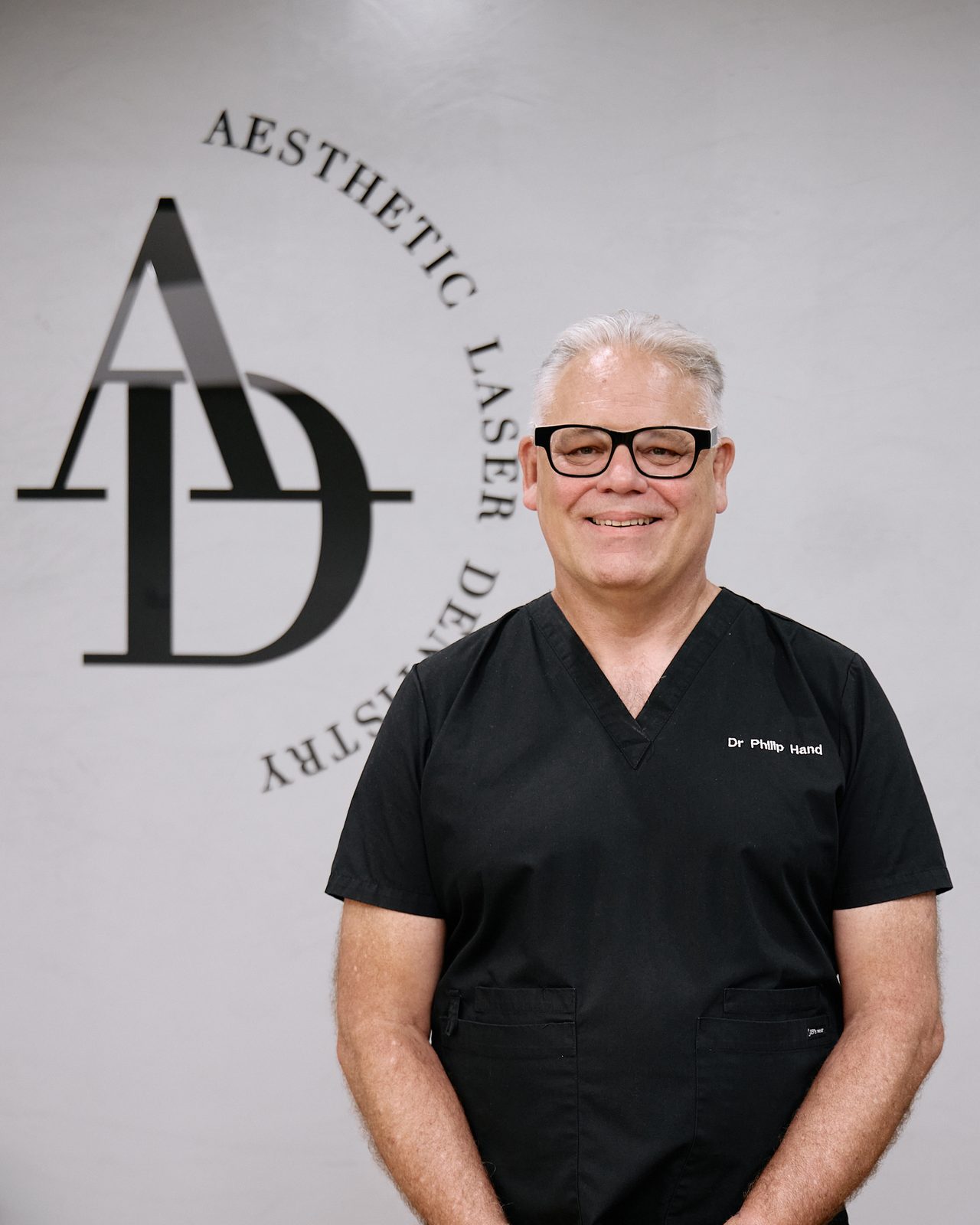
Sleep care with Dr Philip Hand
Principal dentist
Dr Hand has a special interest in NightLase snoring treatment and is a member of the Australasian Sleep Association. He holds an International Master’s Degree in Laser Dentistry and has used dental lasers since 2010.
- Member of the Australasian Sleep Association
- International Master’s Degree in Laser Dentistry, Rome
- General registration, AHPRA DEN0000982631
Snoring and sleep apnoea questions.
Something not covered here? Call us on (03) 9330 2455 or email reception@aldclinic.com.au.
Can a dentist diagnose sleep apnoea?
No. Sleep apnoea is diagnosed by a doctor, usually after a sleep study, so see your GP if you think you may have it. If an oral appliance is recommended, our dentists can make one for you.
Do I need a sleep study before getting an oral appliance?
For sleep apnoea, yes: the appliance is made once a doctor has diagnosed the condition. For snoring alone, your dentist may still suggest seeing your GP first, because snoring can be a sign of sleep apnoea.
Is an oral appliance an alternative to CPAP?
For some people. Oral appliances are an option for many people with mild to moderate obstructive sleep apnoea, and for some who cannot use CPAP. Your GP or sleep physician will advise which treatments suit you.
What is the difference between NightLase and an oral appliance?
An oral appliance is worn every night and holds the lower jaw forward. NightLase is a laser treatment at the practice that tightens the soft tissue at the back of the mouth, with nothing to wear. They suit different people, and Dr Hand will explain which may suit you.
How much does treatment cost?
Fees for oral appliances and NightLase are quoted after a consultation. HICAPS claims can be made on the day, and humm payment plans are available. Any rebate depends on your fund and level of cover.
Talk to us about snoring and sleep apnoea.
Book a snoring or sleep appliance consultation with Dr Philip Hand at 3/23 Louis St, Airport West. Appointments from 7:30am, Monday to Friday.