
Dental implants in Airport West
A dental implant is a small post placed in the jaw to take the place of a missing tooth’s root. Once it has healed, it supports a crown, a bridge or a full arch of new teeth.
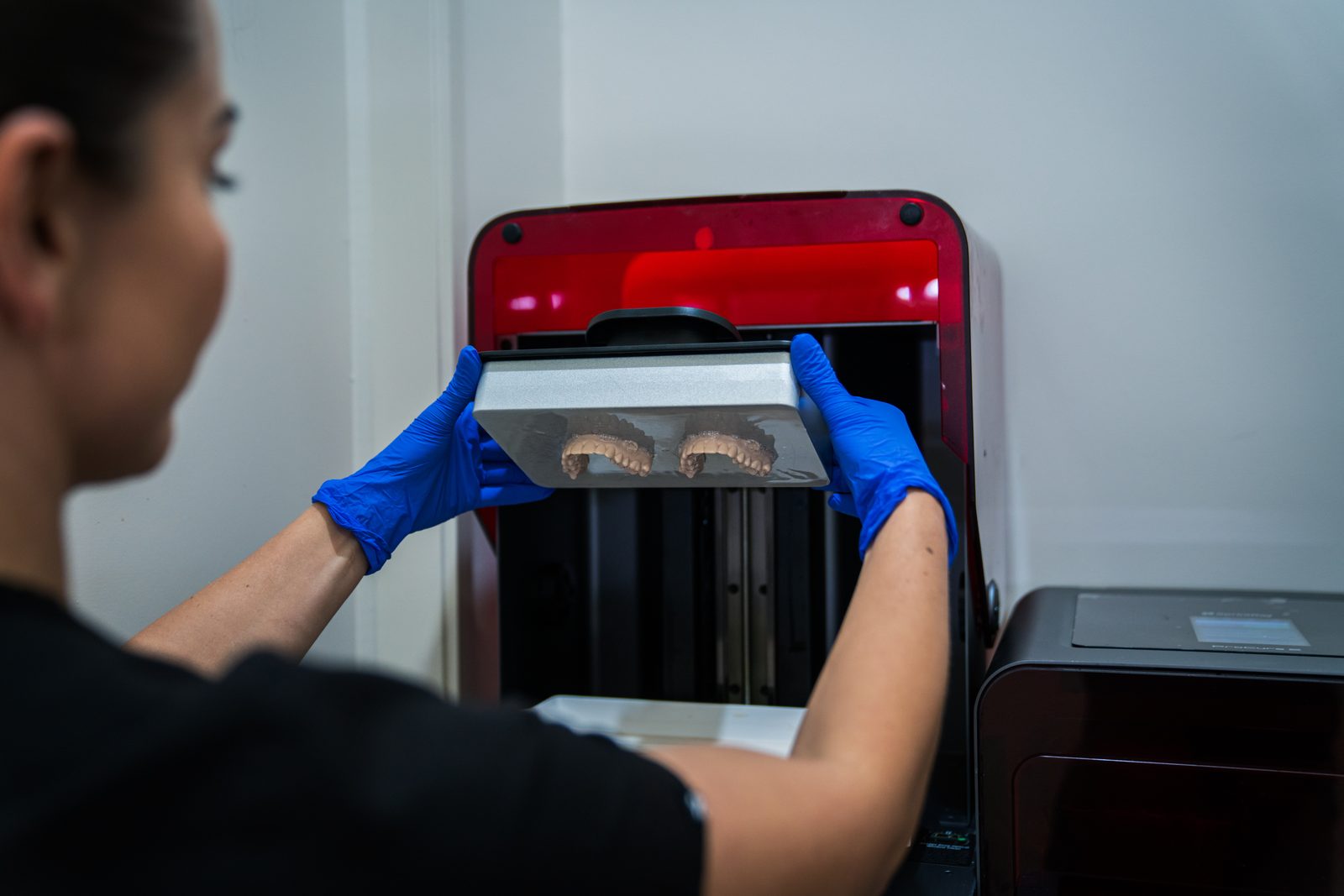
At Aesthetic Laser Dentistry, implants are planned digitally from 3D imaging and intraoral scanning, and surgical guides are 3D printed here at the practice.
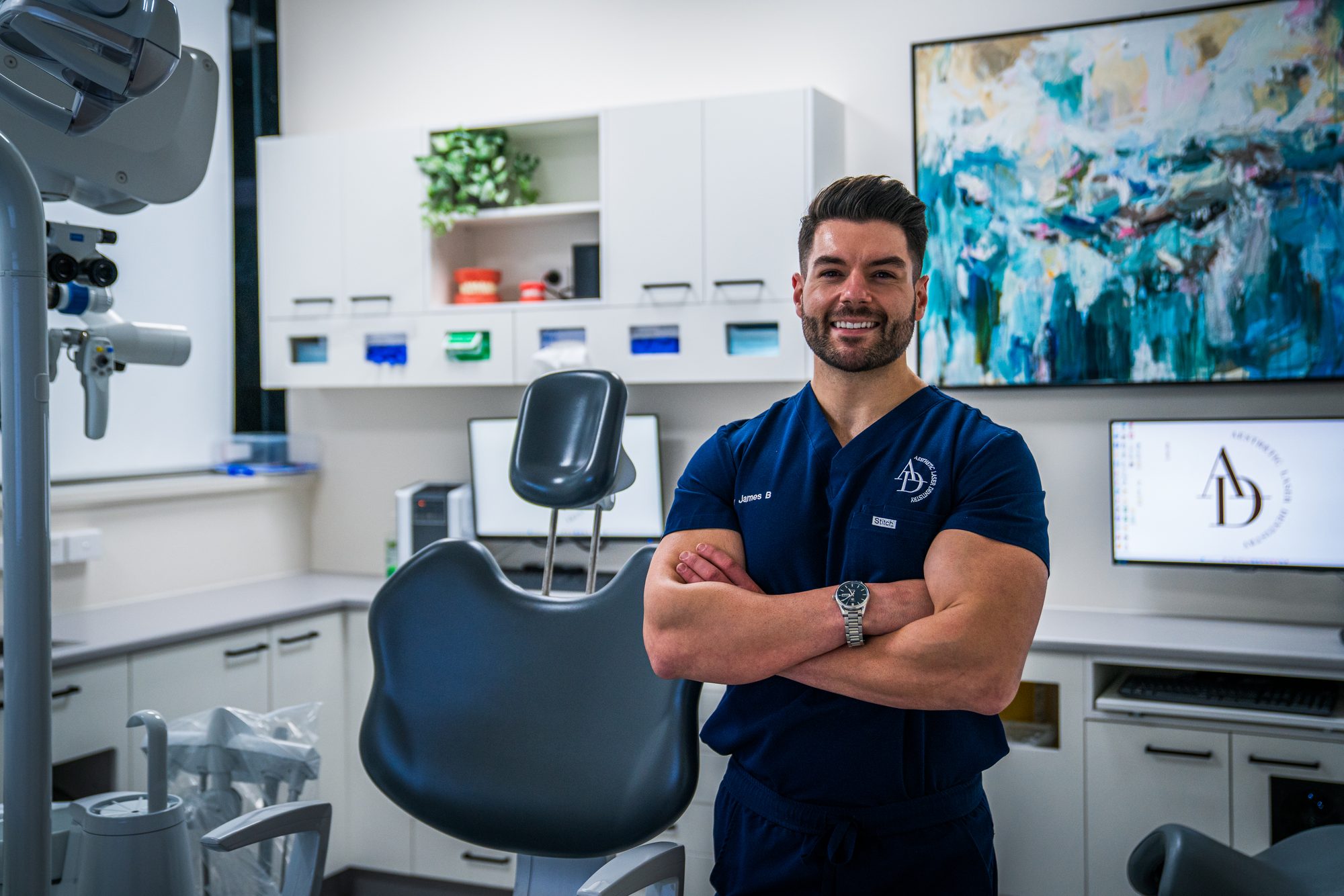
Diploma in Implant Dentistry
Dr James Bartalotta, EduQual Level 7, RipeGlobal
International Team for Implantology
Dr Philip Hand is a member
Surgical guides printed here
3D printed in house, from your plan
Fees quoted after a consultation
HICAPS on the day, humm payment plans
What implants can replace.
Implants can replace one tooth, several teeth, or every tooth in a jaw. The right option depends on your mouth, your bone and what you would like, and it is talked through at your consultation.
Gold: implants and new teeth
Single tooth
One implant takes the place of one missing tooth’s root, and a crown is made to sit on it. The teeth on either side are left as they are.
Gold: implants and new teeth
Several teeth
Where several teeth are missing, implants can hold individual crowns or a bridge. Fewer implants than missing teeth are sometimes needed, and your plan shows how many.
Gold: implants and new teeth
A full arch of implant-supported teeth
A complete set of teeth for the upper or lower jaw, held on implants rather than resting on the gums. It is planned around your face and bite as well as the bone.
Gold: implants and new teeth
Full-mouth rehabilitation
When many teeth need replacing or rebuilding, the whole mouth is planned together. Implants are often one part of a wider plan that can include crowns, bridges and other treatment.
When there is not enough bone.
An implant needs enough bone around it to hold it. After a tooth is lost, the bone in that part of the jaw can shrink over time. Your 3D imaging shows how much bone there is, before anything is planned.
Not everyone needs extra bone. If you do, it is explained at the planning stage, along with what it adds to your treatment.
Bone grafting
Bone graft material is added where the jaw is too thin or too low, so there is enough bone to hold an implant. Depending on your scan, it is done before the implant or at the same visit.
Sinus lift
In the upper back jaw, the floor of the sinus can sit close to where an implant would go. A sinus lift raises that floor and adds bone beneath it, to make room for the implant.
How implant treatment works.
Implants are planned on screen before treatment begins, and surgical guides are 3D printed here from that plan. These are the steps most people go through.
1
Consultation, 3D imaging and scan
We examine your mouth, talk through your options and what you would like, and take 3D imaging and an intraoral scan.
2
Digital plan
The implant position is planned on screen in 3D, around your bone, your gums and the teeth that will sit on top.
3
Surgical guide printed here
Where a guide is used, the plan is turned into a surgical guide, 3D printed in house, which carries the planned position into your mouth.
4
Placement
The implant is placed following the digital plan, through the guide where one is used. Any bone grafting that is needed is planned around this step.
5
Healing and your new teeth
The implant is left to heal into the bone. Your crown, bridge or full arch is then made and fitted.
Timing varies from person to person. It depends on your bone, how you heal and the treatment planned. Your expected timeline is given at the planning stage, before treatment begins.
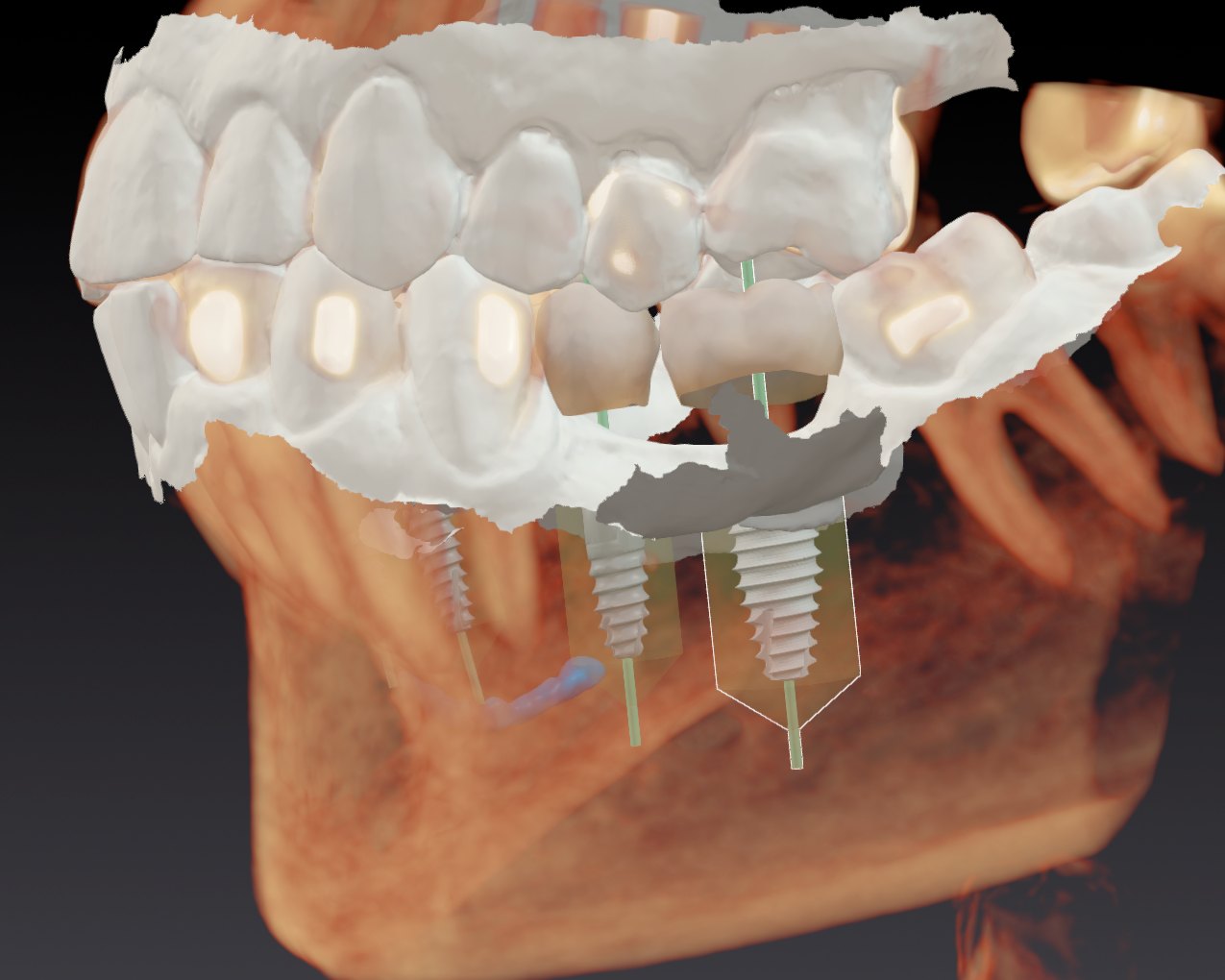
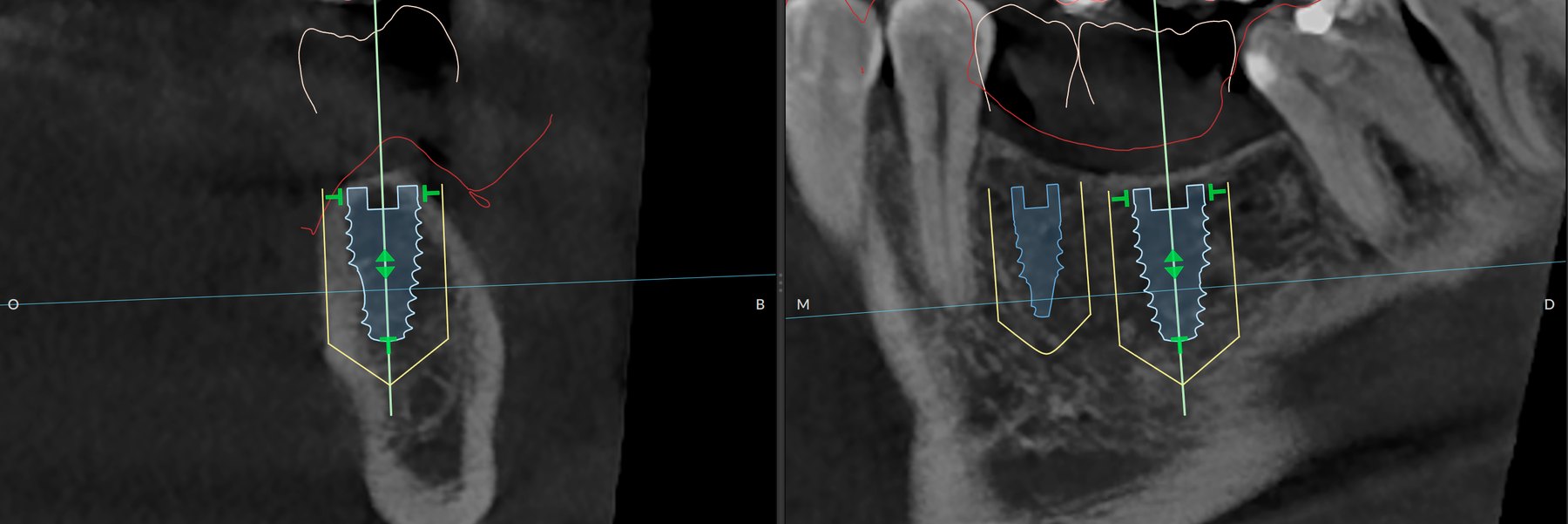
The digital plan: each implant is positioned on your 3D scan before surgery, shown here in 3D and in cross-section.
Your implant dentists.
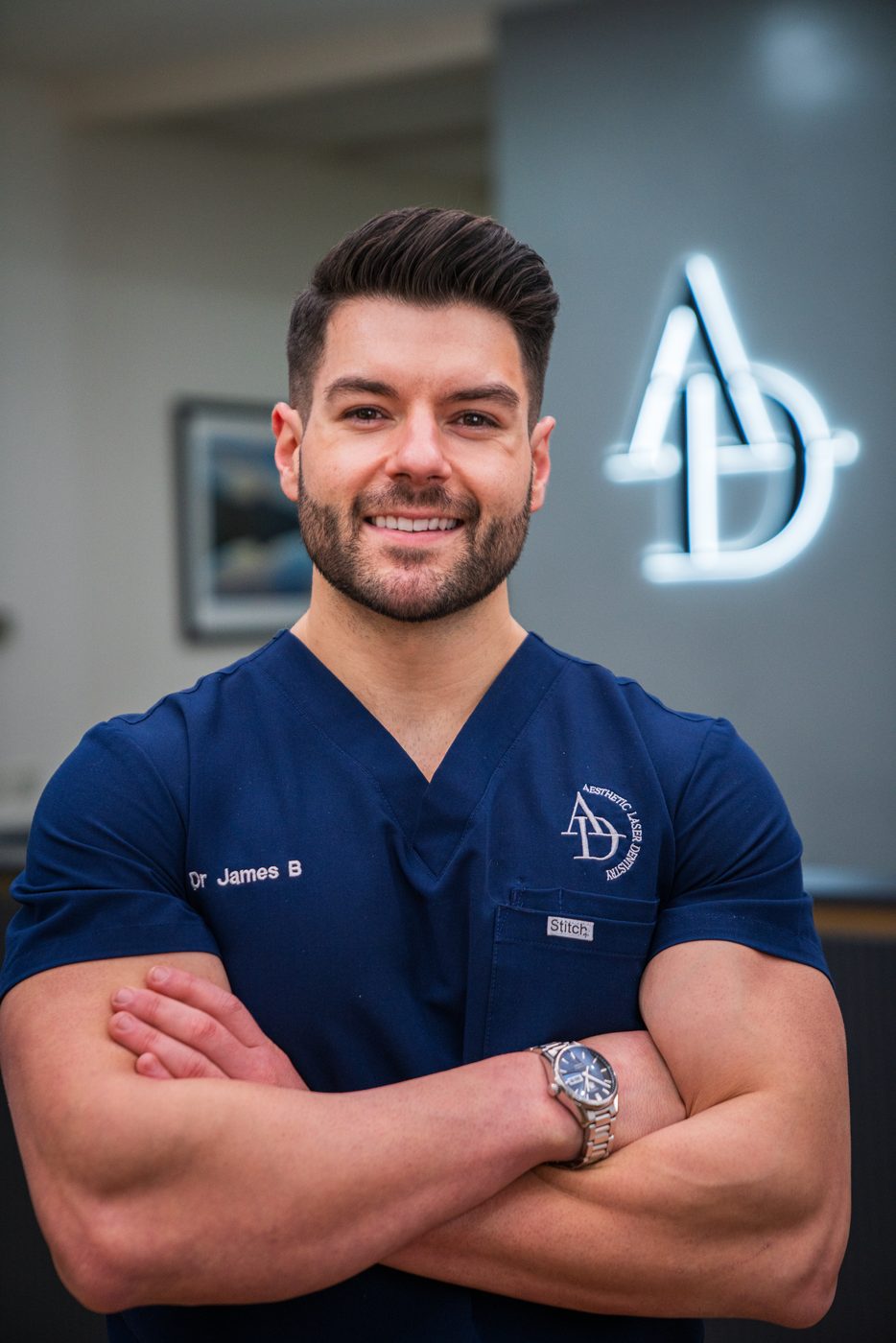
Dr James Bartalotta
Principal dentist
- Diploma in Implant Dentistry, EduQual Level 7, RipeGlobal
- Master of Dentistry, La Trobe University
- AHPRA registration DEN0002229514
Dental implants are part of Dr Bartalotta’s focus, alongside porcelain veneers, rehabilitative dentistry and clear aligners.
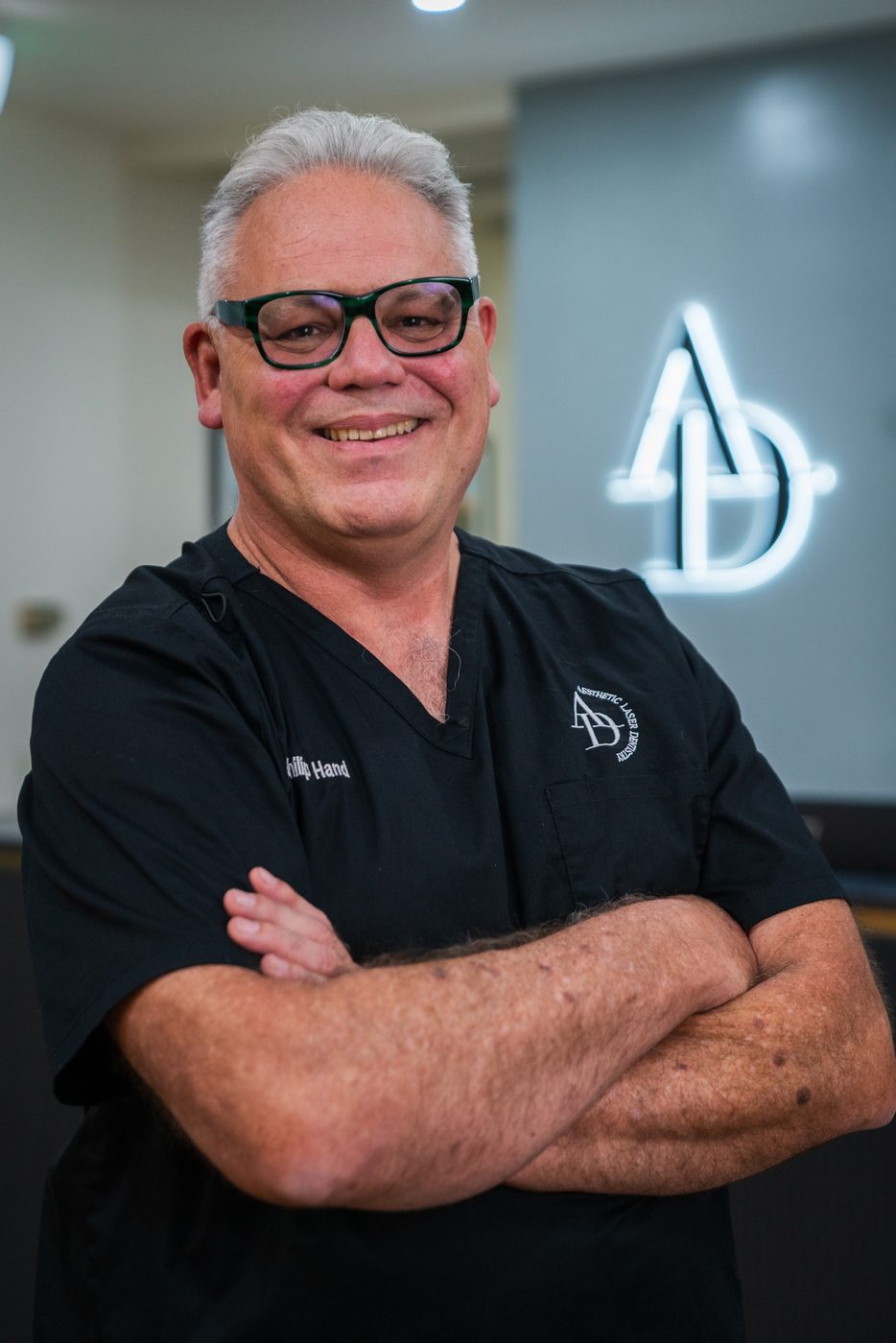
Dr Philip Hand
Principal dentist
- Member of the International Team for Implantology
- BDS, Otago, and a dentist for more than 40 years
- AHPRA registration DEN0000982631
Dental implants are part of Dr Hand’s focus, alongside laser dentistry and tongue-tie and lip-tie release.
Clinical case studies
Implant cases.
Three cases, a full arch and two single teeth, photographed before and after treatment. Drag the handle, or use the arrow keys, to compare.
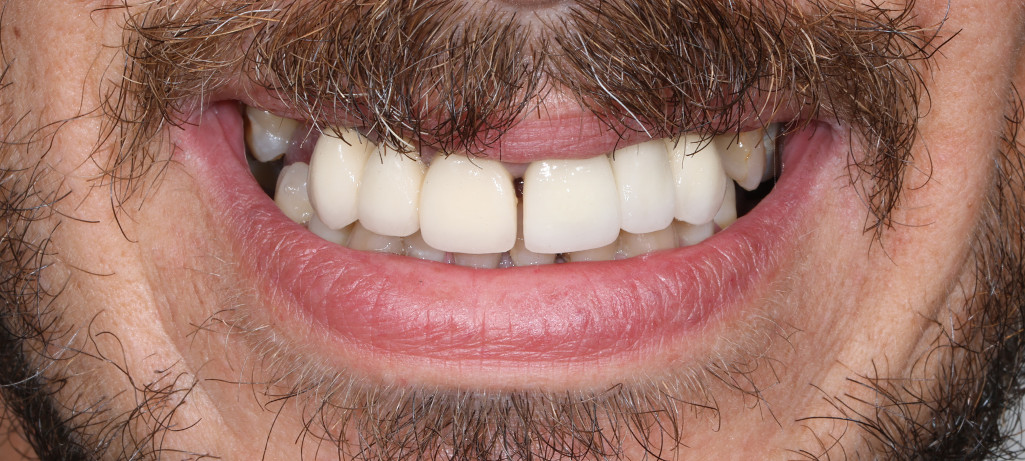
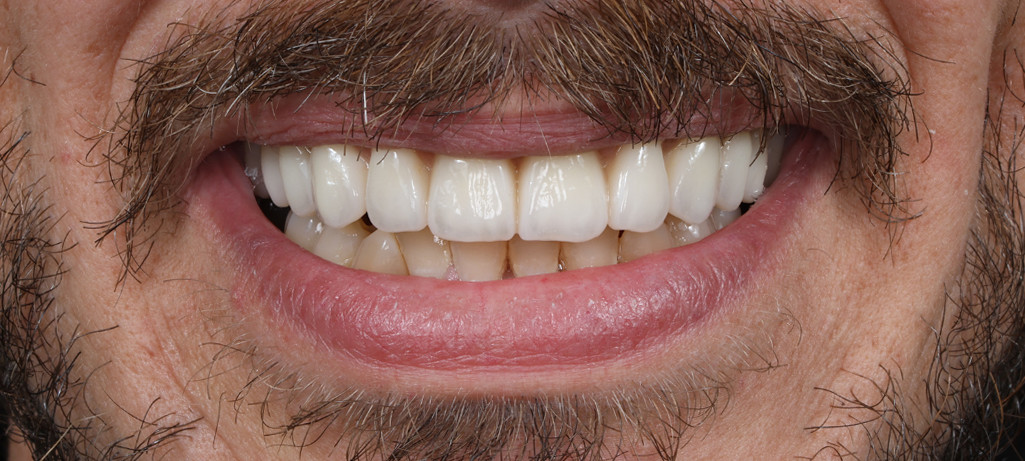
Full-arch implant treatment
Came in with: teeth that could not be saved.
After photo taken on the day the implant bridge was fitted
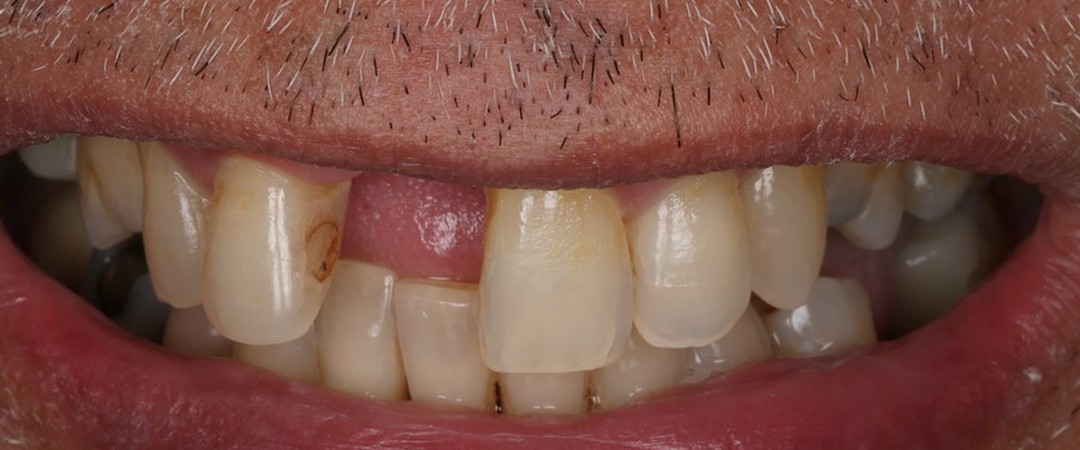
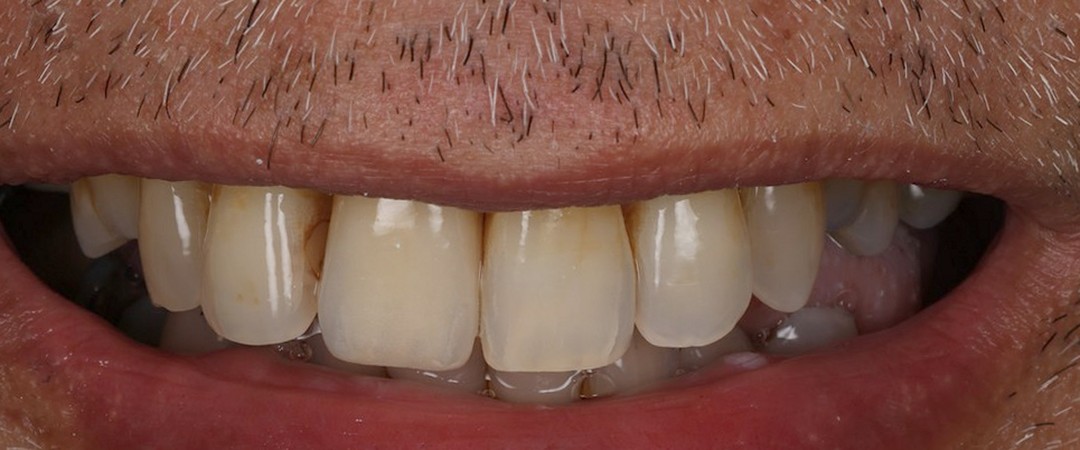
Single-tooth implant
Came in with: a missing tooth.
After photo taken on the day the implant crown was fitted
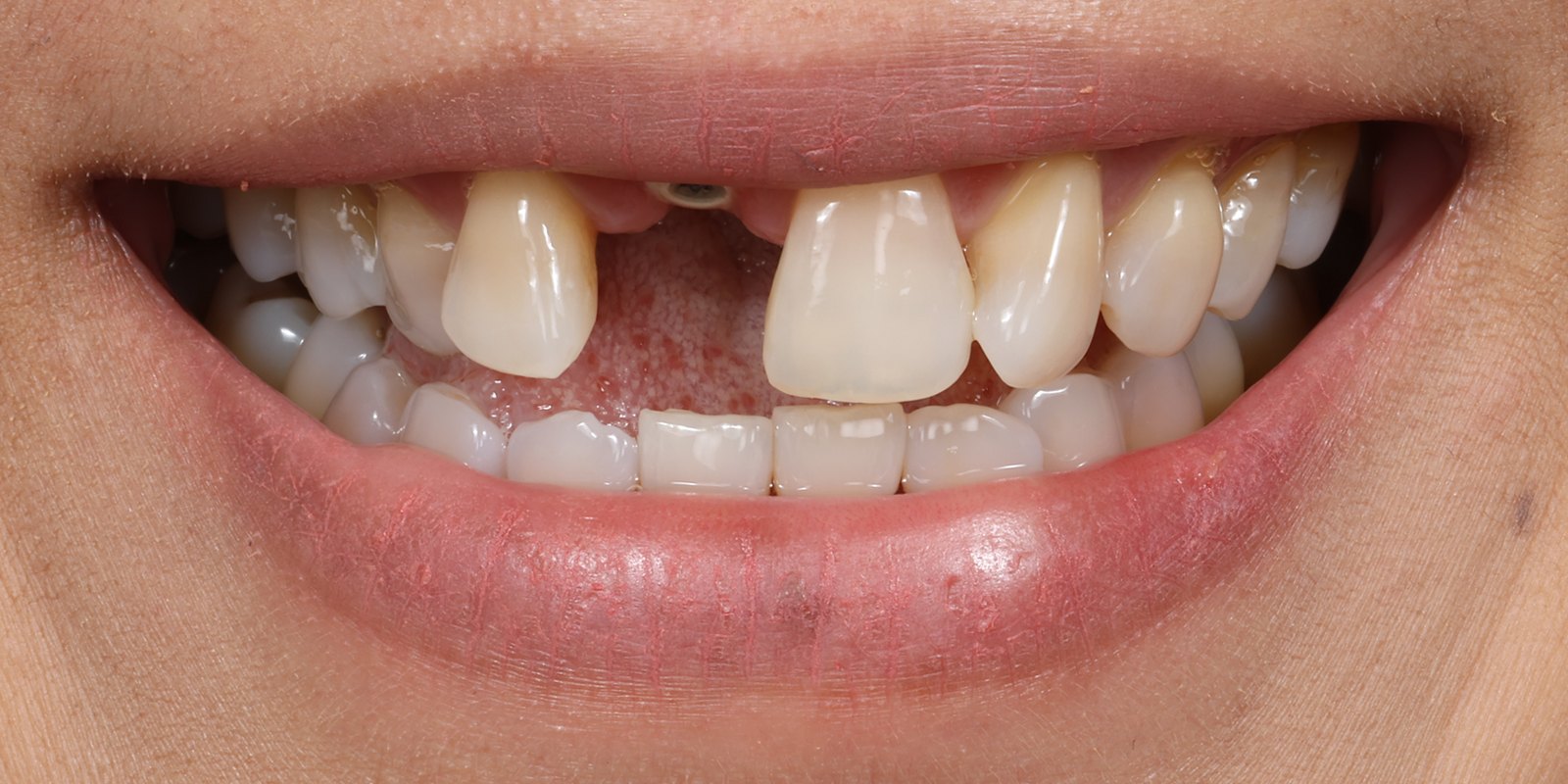
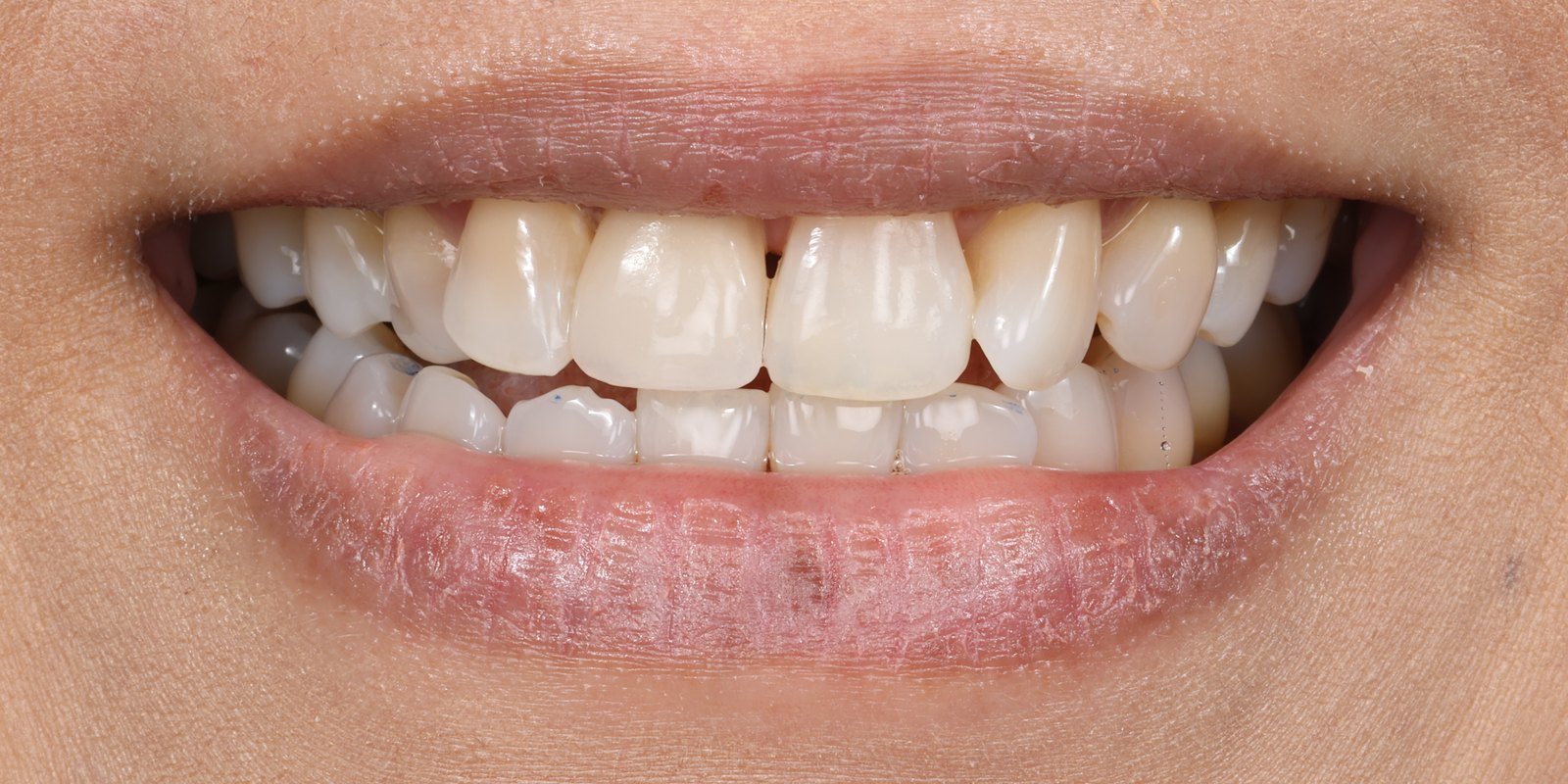
Single-tooth implant, upper front tooth
Came in with: an infected tooth and a missing tooth.
After photo taken 3 weeks after the crown was fitted
Treatment performed by Dr James Bartalotta (Dentist), AHPRA Registration No: DEN0002229514. The results shown here are specific to this individual patient and will not be the same for everyone, as outcomes can vary depending on a person’s unique dental health and circumstances. This case is shared with the patient’s written consent.These images are shown for educational purposes only, to illustrate what treatment can involve. These images are unedited and taken under consistent conditions to accurately reflect the outcome of treatment. This post is intended as general information only and should not be relied upon as a substitute for a personalised consultation. We always recommend that individuals seek a professional dental consultation to assess their suitability for treatment, and you are entitled to seek a second opinion from another registered health practitioner before making any decisions about your care.
Dental implant questions.
Something not covered here? Call us on (03) 9330 2455 or email reception@aldclinic.com.au.
Am I suitable for dental implants?
Suitability depends on your general health, your gums and the amount of bone where the implant would go. It is assessed at a consultation, with an examination and 3D imaging. If implants are not suitable for you, other ways to replace teeth, such as a bridge, are talked through.
What if I do not have enough bone?
Bone grafting, or a sinus lift in the upper back jaw, can add bone where it is needed. Your 3D imaging shows whether either applies to you, and it is planned before treatment begins.
How long does treatment take?
It varies from person to person. It depends on how many teeth are being replaced, whether bone grafting is needed and how you heal. Your expected timeline is given at the planning stage, before treatment begins.
How much do dental implants cost?
Fees are not published, because every plan is different. Treatment is quoted after a consultation, once your plan is known. HICAPS health fund claims can be made on the day, and humm payment plans are available.
What are the risks?
All surgery carries risks, and implant treatment is no exception. Your dentist explains the risks that apply to you before you decide, and you are entitled to seek a second opinion.
Talk to us about dental implants.
Treatment is planned and quoted after a consultation at 3/23 Louis St, Airport West. Appointments from 7:30am, Monday to Friday.