
General dentistry
TMD and jaw pain treatment in Airport West
A clicking, aching or locking jaw? We start by working out why.
TMD (temporomandibular disorder) is the name for problems affecting the jaw joint and the muscles that move the jaw, and it can cause jaw pain, clicking, locking and headaches. At Aesthetic Laser Dentistry in Airport West, our dentists assess and treat jaw joint and jaw muscle problems as part of general dental care, starting with the likely causes.
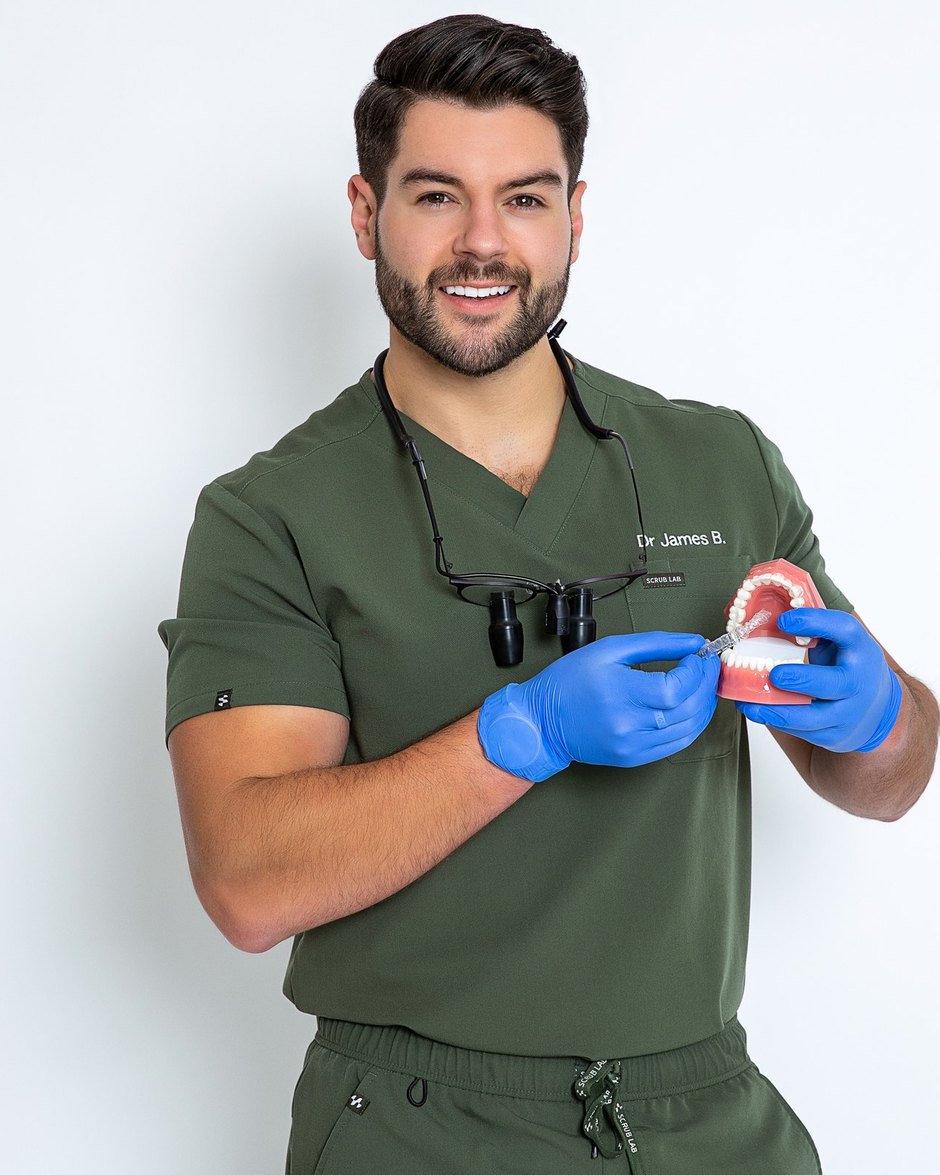
Assessment before treatment
We look for the cause, not just the symptom
Reversible care first
Splints, exercises and advice come before anything more involved
Laser dentistry since 2010
The practice uses Fotona dental lasers
The bite and sleep
Dr Philip Hand is a member of the Australian Society for Occlusal Studies and the Australasian Sleep Association
What are the symptoms of TMD?
Symptoms can be felt on one or both sides. Jaw pain that lasts more than a couple of weeks, or keeps coming back, is worth an assessment.
- Pain or tenderness in the jaw, face, temples or around the ear, on one or both sides
- Clicking, popping or a grating feeling when you open or chew
- A jaw that catches, or locks open or closed
- Difficulty opening wide or chewing
- Headaches, often around the temples
- A feeling of fullness or ringing in the ears
- Worn, chipped or sensitive teeth from clenching or grinding
What causes jaw pain and TMD?
There is often no single cause. Common contributing factors include:
- Clenching or grinding the teeth (bruxism), especially at night or under stress
- Tension in the jaw and neck muscles, stress and poor sleep
- An injury to the jaw or face
- Arthritis or other changes inside the joint
- Habits such as chewing gum, biting nails or chewing pens
Jaw pain can also come from a tooth, a sinus or the ear, which is why an assessment comes first.
How we assess jaw pain.
We ask about your symptoms and what makes them better or worse. Then we look at four things:
- The jaw joints and muscles
- How your jaw opens
- Your bite, and any wear on your teeth
- Any dental cause, such as a cracked tooth
X-rays or other imaging are arranged when they would help.
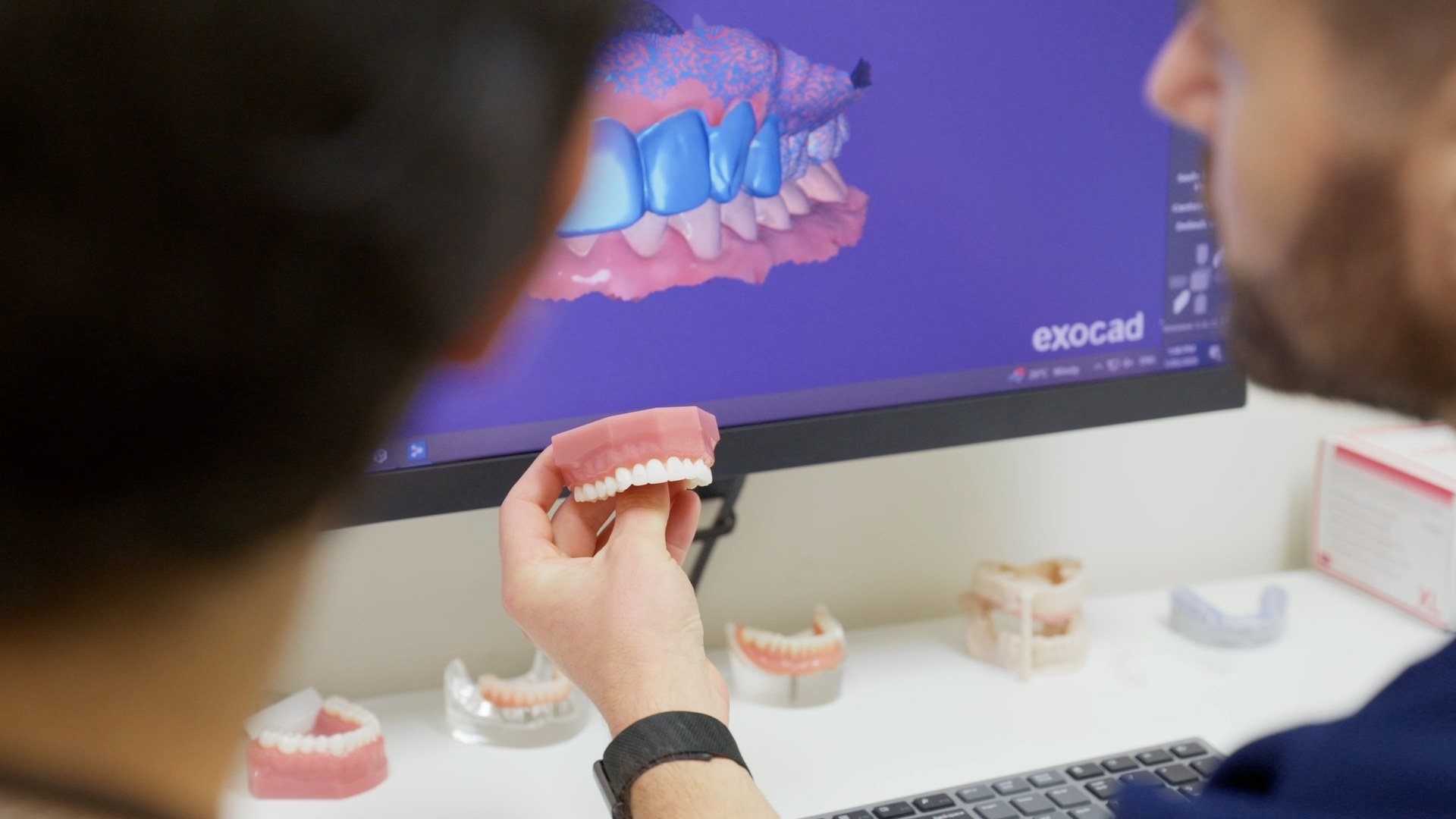
How we treat jaw pain.
Treatment starts with working out the likely causes of your jaw pain. Depending on what we find, your plan may include:
A custom night splint
Stops the upper and lower teeth grinding together, and takes load off the jaw muscles.
Jaw exercises and self-care
Simple exercises and self-care that you can do at home.
Advice on habits
Such as daytime clenching, posture and sleep.
Anti-inflammatory medication
For short periods, where it suits you.
Low-level laser therapy
Usually alongside other treatment.
Referral to another practitioner
Such as a physiotherapist or your doctor, when that is the right next step.
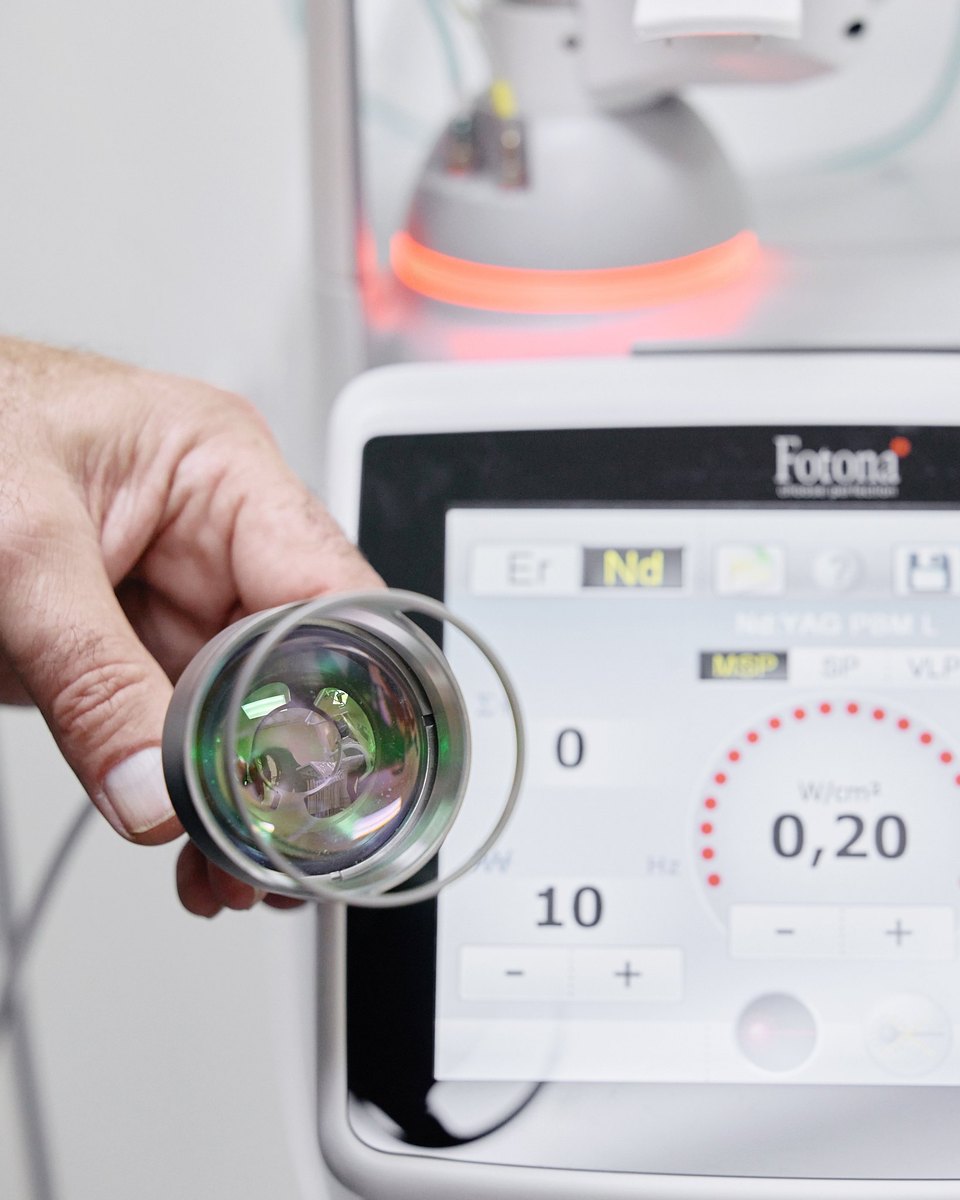
Low-level laser therapy for jaw pain.
In low-level laser therapy, low-power light is directed at the jaw joint and muscles. It is thought to reduce inflammation and pain, although results vary.
The evidence for it is still developing, and we will tell you whether it is likely to suit you.
Self-care for a sore jaw.
Many people find their symptoms settle within weeks to months with simple self-care like this.
Soft food
Choose soft food and smaller bites during a flare-up.
Rest the jaw
Avoid chewing gum, chewing ice and very wide yawns.
Warm or cold
Use a warm or cold pack on the jaw, whichever feels better.
Teeth apart
Notice daytime clenching: lips together, teeth apart, jaw relaxed.
Risks
A splint can make your teeth feel tender, or your bite feel different, for a short time after you take it out in the morning. Low-level laser therapy is non-surgical and side effects are uncommon.
Cost and payment
We will give you a quote once your treatment plan is clear. HICAPS health fund claims are processed on the day, and humm payment plans are available, subject to approval.
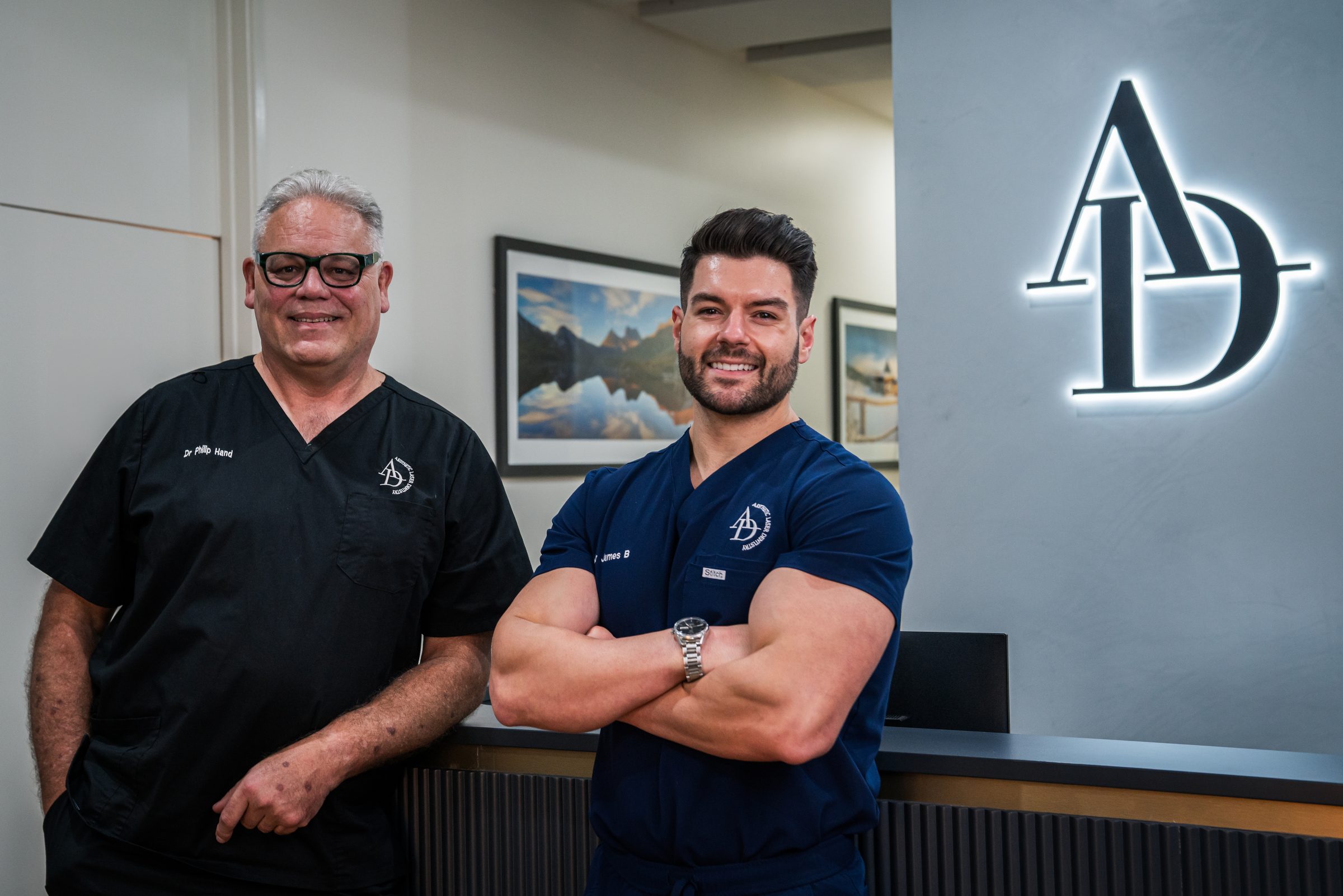
Four dentists at one practice.
Jaw pain is assessed as part of general dental care at the practice, where our dentists are Dr Philip Hand, Dr James Bartalotta, Dr Julian Messina and Dr Tom Brookes. The practice has cared for Melbourne’s north-west for more than 30 years, and when another practitioner can help, we refer you on.
TMD and jaw pain questions.
Something not covered here? Call us on (03) 9330 2455 or email reception@aldclinic.com.au.
Can a dentist treat TMD?
Yes. Dentists commonly assess and treat TMD, especially when clenching or grinding is involved. Our dentists assess and treat jaw joint and jaw muscle problems as part of general dental care, and refer you on when another practitioner can help.
Will a splint help my jaw pain?
A splint can help some people whose pain is linked to clenching or grinding, particularly at night. It is custom-made from a scan or impression of your teeth and adjusted at review visits. It does not suit every cause of jaw pain, so we assess first.
Does low-level laser therapy have side effects?
Low-level laser therapy is non-surgical and side effects are uncommon. Eye protection is worn during treatment, and we will explain any risks that apply to you.
Can laser treatment help TMD?
Laser therapy may help reduce pain for some people with TMD, usually as part of a wider treatment plan. It does not suit everyone.
Will TMD go away on its own?
Often it does. Many people find their symptoms settle within weeks to months with simple self-care, while others need ongoing management for flare-ups. If jaw pain lasts more than a couple of weeks or keeps coming back, an assessment is worthwhile.
Is jaw pain ever a sign of something else?
Yes. Jaw pain can come from a tooth infection, a sinus or the ear. Jaw pain that comes with chest pain, breathlessness or sweating can be a sign of a heart problem: call 000 straight away.

Book a jaw pain assessment.
Tell us what your jaw is doing, and we will start by finding out why. 3/23 Louis St, Airport West, from 7:30am Monday to Friday.