
General dentistry
Teeth grinding and jaw clenching in Airport West
Most people who grind do it in their sleep, and do not know until something wears, chips or aches.
Grinding and clenching the teeth (bruxism) puts heavy, repeated force on the teeth, the jaw muscles and the jaw joints. At Aesthetic Laser Dentistry in Airport West, our dentists look for the signs, work out what may be driving it, and protect your teeth with a custom night splint.
Signs found early
Wear and cracks are checked at every examination
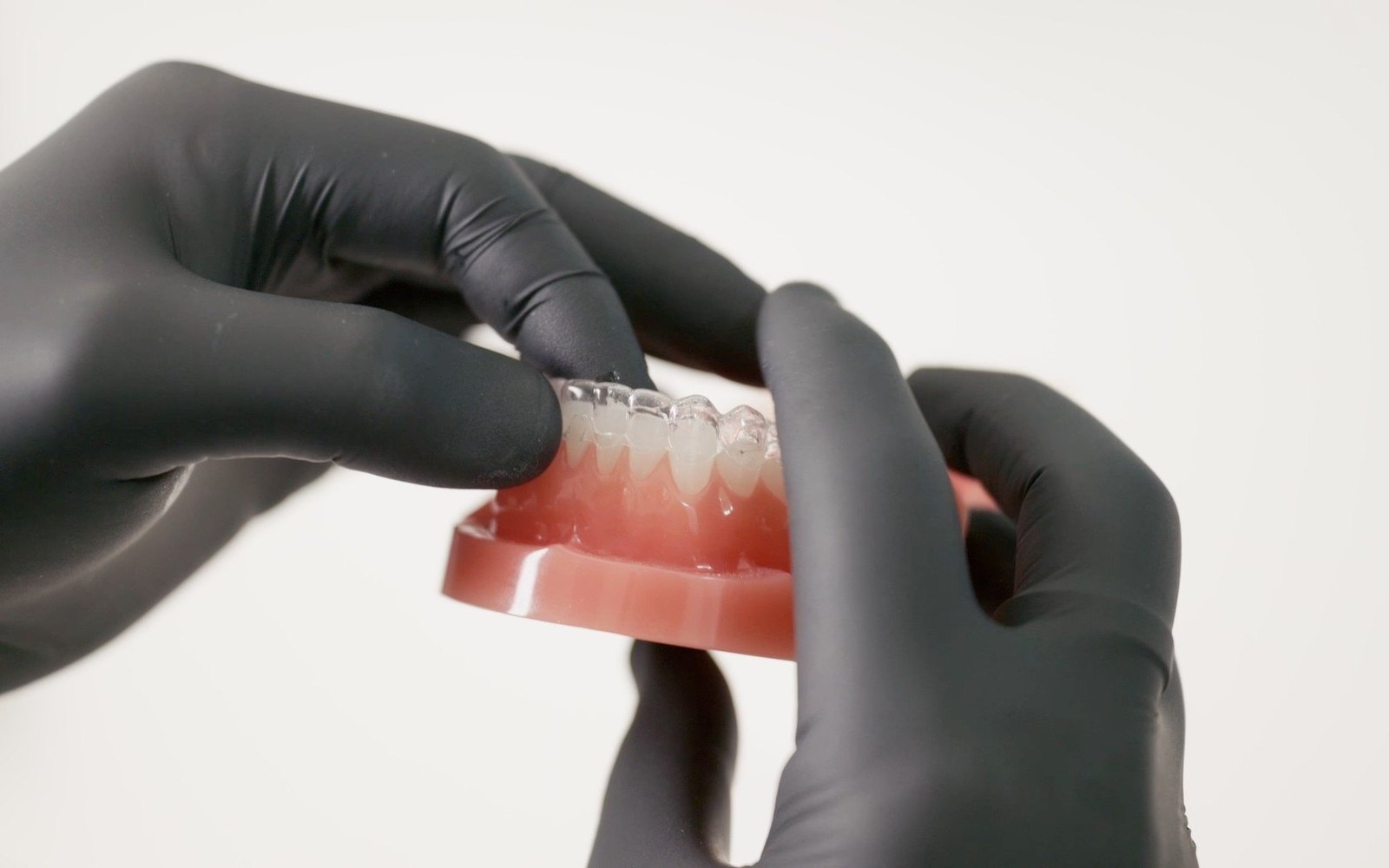
Custom night splints
Made from a scan of your teeth and adjusted to your bite
Sleep considered
Snoring and sleep apnoea can be linked to grinding
The bite and sleep
Dr Philip Hand is a member of the Australian Society for Occlusal Studies and the Australasian Sleep Association
Signs you may be grinding or clenching.
Much grinding happens during sleep, so the first sign is often something your dentist or partner notices.
- A tired, tight or aching jaw, especially in the morning
- Headaches around the temples
- Teeth that look flatter, shorter or chipped
- Teeth that are sensitive to cold
- Cracked teeth or broken fillings
- A partner who hears grinding at night
- Catching yourself clenching during the day, when concentrating or stressed
What causes grinding and clenching?
There is often more than one cause. Common contributing factors include:
- Stress, concentration and poor sleep
- Snoring and sleep apnoea
- Caffeine, alcohol and smoking
- Some medicines
- The way the teeth meet when you bite
How we assess grinding.
We ask about your sleep, your jaw and any headaches. Then we look at four things:
- The pattern of wear on your teeth
- Your jaw muscles and jaw joints
- Your bite, and how your jaw moves
- Cracks, chips and broken fillings
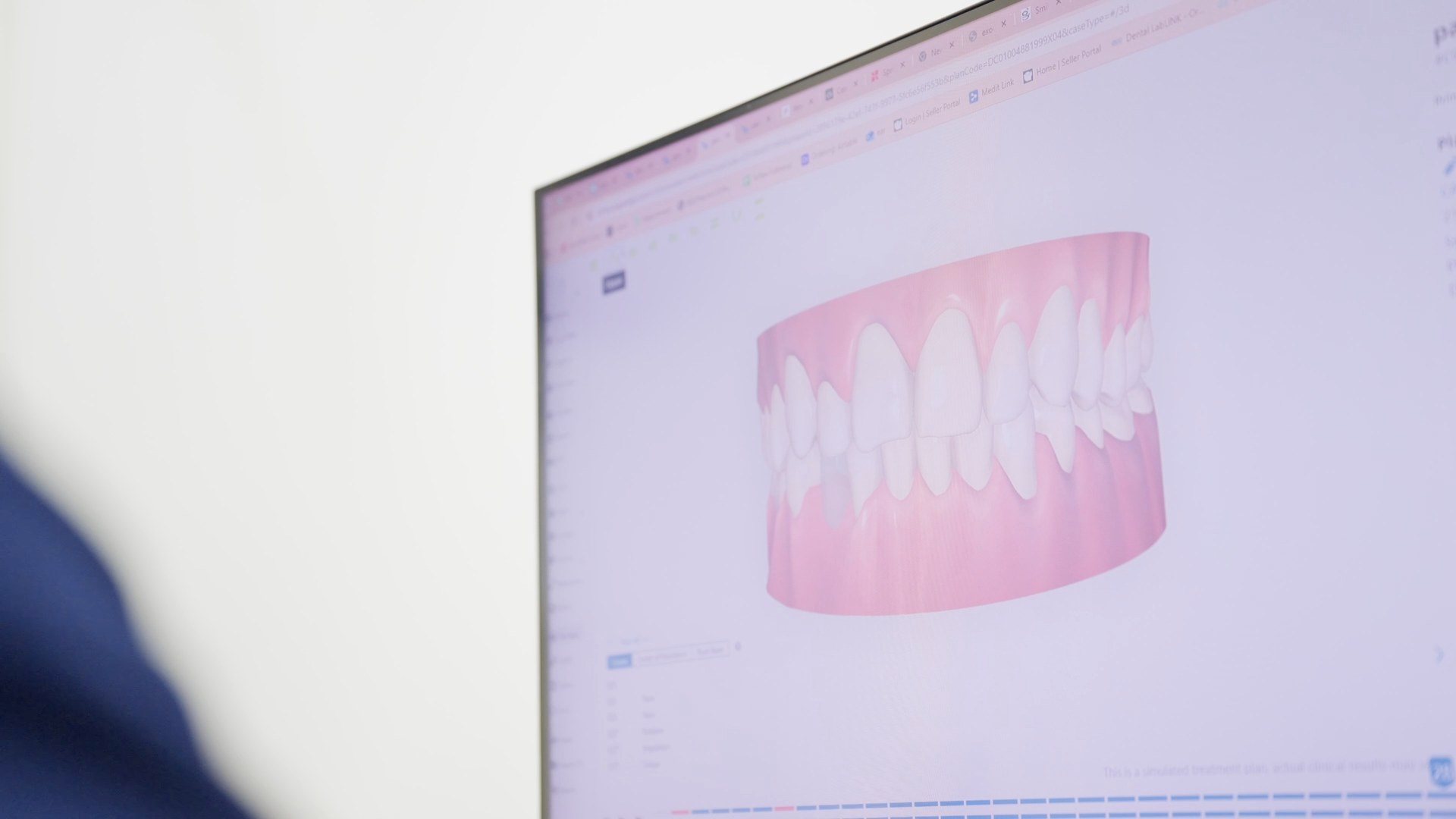
Photos and scans let us compare your teeth at later visits and see whether wear is continuing.
How we manage grinding.
Grinding cannot always be stopped, but its effects can be reduced. Your plan may include:
A custom night splint
Worn while you sleep, it takes the grinding force onto the splint instead of your teeth, and eases the load on the jaw muscles.
Daytime habit awareness
Simple ways to notice and relax clenching during the day, with lips together and teeth apart.
Help with sleep
If snoring or sleep apnoea may be involved, we work with your doctor.
Advice on triggers
Caffeine, alcohol and stress can all make grinding worse.
Repair of damage
Chipped or worn teeth can be restored, and protected with a splint afterwards.
Regular reviews
We check the splint and your teeth at each visit, so new wear is found early.
Risks
A splint can make your teeth feel tender, or your bite feel different, for a short time after you take it out in the morning. Splints wear over time and may need adjusting or replacing.
Cost and payment
We will give you a quote before your splint is made. HICAPS health fund claims are processed on the day, and humm payment plans are available, subject to approval.

Four dentists at one practice.
Grinding is assessed as part of general dental care at the practice, where our dentists are Dr Philip Hand, Dr James Bartalotta, Dr Julian Messina and Dr Tom Brookes. If your teeth are already worn, we talk you through how they can be restored.
Teeth grinding questions.
Something not covered here? Call us on (03) 9330 2455 or email reception@aldclinic.com.au.
Will a night splint stop me grinding?
A splint does not always stop grinding, but it takes the force onto the splint instead of your teeth. It is custom-made from a scan of your teeth and checked at review visits.
Is a shop-bought mouthguard the same?
Sports guards and boil-and-bite guards are made for a different job. A night splint is made to fit your bite exactly, which matters when you wear it every night.
Is grinding the same as TMD?
Not quite. Grinding is a habit; TMD is a problem with the jaw joints and muscles. Grinding can contribute to TMD, so we look at both.
Can grinding crack my teeth?
Yes. Heavy, repeated force can crack teeth and fillings over time, particularly back teeth with large fillings. A splint helps protect them.
Do children grind their teeth?
Many children grind, and most grow out of it. We keep an eye on it at their check-ups and let you know if anything needs treatment.
My teeth are already worn. What can be done?
Worn teeth can often be rebuilt with tooth-coloured composite, or with a planned full mouth rehabilitation when the wear is advanced. See our worn teeth page for the options.

Book a teeth grinding assessment.
We will check for signs of grinding, talk through what may be causing it and how to protect your teeth. 3/23 Louis St, Airport West, from 7:30am Monday to Friday.