
General dentistry
Root canal treatment in Airport West
Treating the inside of a tooth, so you can keep it.
Root canal treatment removes infected or inflamed pulp from inside a tooth, then cleans, disinfects and seals the canals so the tooth can stay in your mouth.
At Aesthetic Laser Dentistry, root canal treatment is part of Dr Philip Hand’s focus, and single-visit treatment is offered where the tooth is suitable. We take care to keep you comfortable throughout.
Single visit
Offered where the tooth is suitable
Keep your tooth
Rather than removing it
Fees
Quoted after an examination
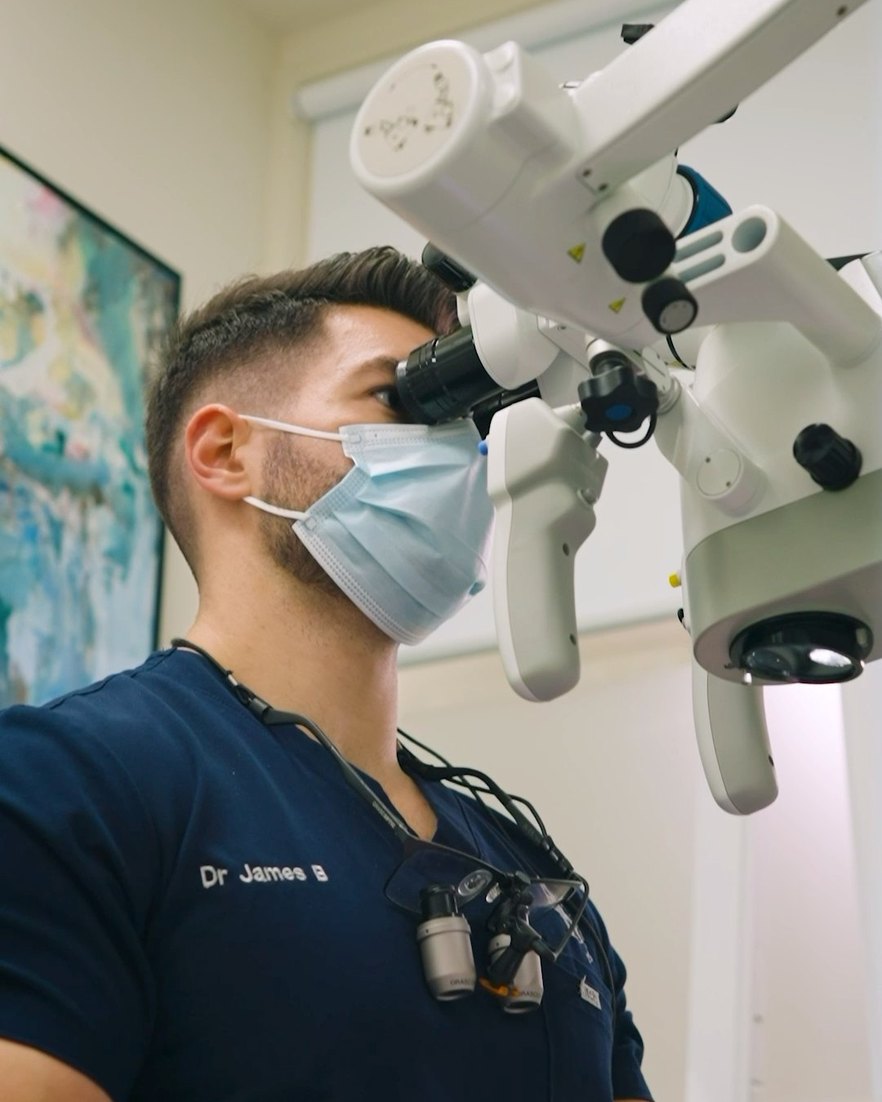
What is root canal treatment?
Inside every tooth is the pulp, soft tissue with nerves and blood vessels that runs down narrow channels in the roots called root canals.
Once infected or badly inflamed, the pulp cannot heal on its own. Root canal treatment (endodontic treatment) removes it and seals the canals, so you keep your own tooth.
The pulp sits in a chamber inside the crown and runs down a canal in each root.
What are the signs you may need a root canal?
The usual causes are deep decay, a crack, repeated work on the tooth or an old knock. Some infected teeth cause no symptoms and show up on an X-ray.
Swelling or severe pain? Call (03) 9330 2455. We offer same-day appointments whenever possible.
- Toothache that lingers or wakes you at night
- Sensitivity to hot or cold that lasts after the drink is gone
- Pain when you bite on the tooth
- Swelling, or a small pimple on the gum near the tooth
- A tooth that has darkened
How does root canal treatment work?
The aim is to clean the root canal system thoroughly and seal it, preserving as much of the natural tooth as possible.
Before
Deep decay has let infection reach the pulp.
Step 3
The pulp is removed and the canals are cleaned and shaped.
Step 4
The canals are filled and sealed to the tip of each root.
Step 5
The tooth is rebuilt, often with a crown to protect it.
Illustrations, not patient photographs.
1
Assessment
An examination and X-rays, with 3D imaging (cone beam CT) where it helps. These detailed 3D views help with assessment and treatment planning.
2
Numbing
The tooth is numbed with local anaesthetic.
3
Cleaning and shaping
The pulp is removed through a small opening, and the canals are cleaned, shaped and disinfected. Our dentists use magnification to see inside the tooth clearly.
4
Sealing
The canals are filled and sealed to the end of each root.
5
Rebuilding
The tooth is rebuilt with a filling, and a back tooth often needs a crown afterwards to protect it from cracking.
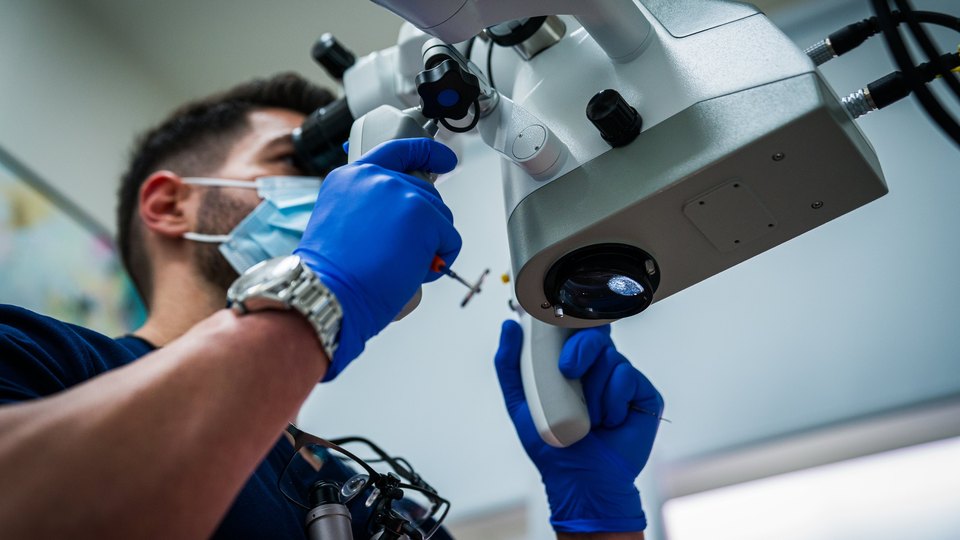
What to expect.
During treatment
The tooth is numbed with local anaesthetic before treatment, and we explain each step as we go. If you feel anxious, tell us and we will talk through ways to help you feel more comfortable.
Afterwards
The tooth can feel tender for a few days, usually managed with over-the-counter pain relief. Avoid chewing hard food on it until the final filling or crown is in, and call us if swelling develops or pain gets worse.
How much does root canal treatment cost?
Fees are not published, because the cost depends on the tooth, its canals and whether a crown follows. Treatment is quoted after an examination. Many extras policies include some benefit, HICAPS claims can be made on the day, and humm payment plans are available.
What are the risks?
Risks include a canal that is curved, blocked or hard to find, a fine instrument separating inside a canal, infection that continues or returns, and a tooth that cracks later, particularly without a crown. Some complex teeth are referred to an endodontist. Your dentist explains the risks for your tooth before you decide, and you are entitled to seek a second opinion.
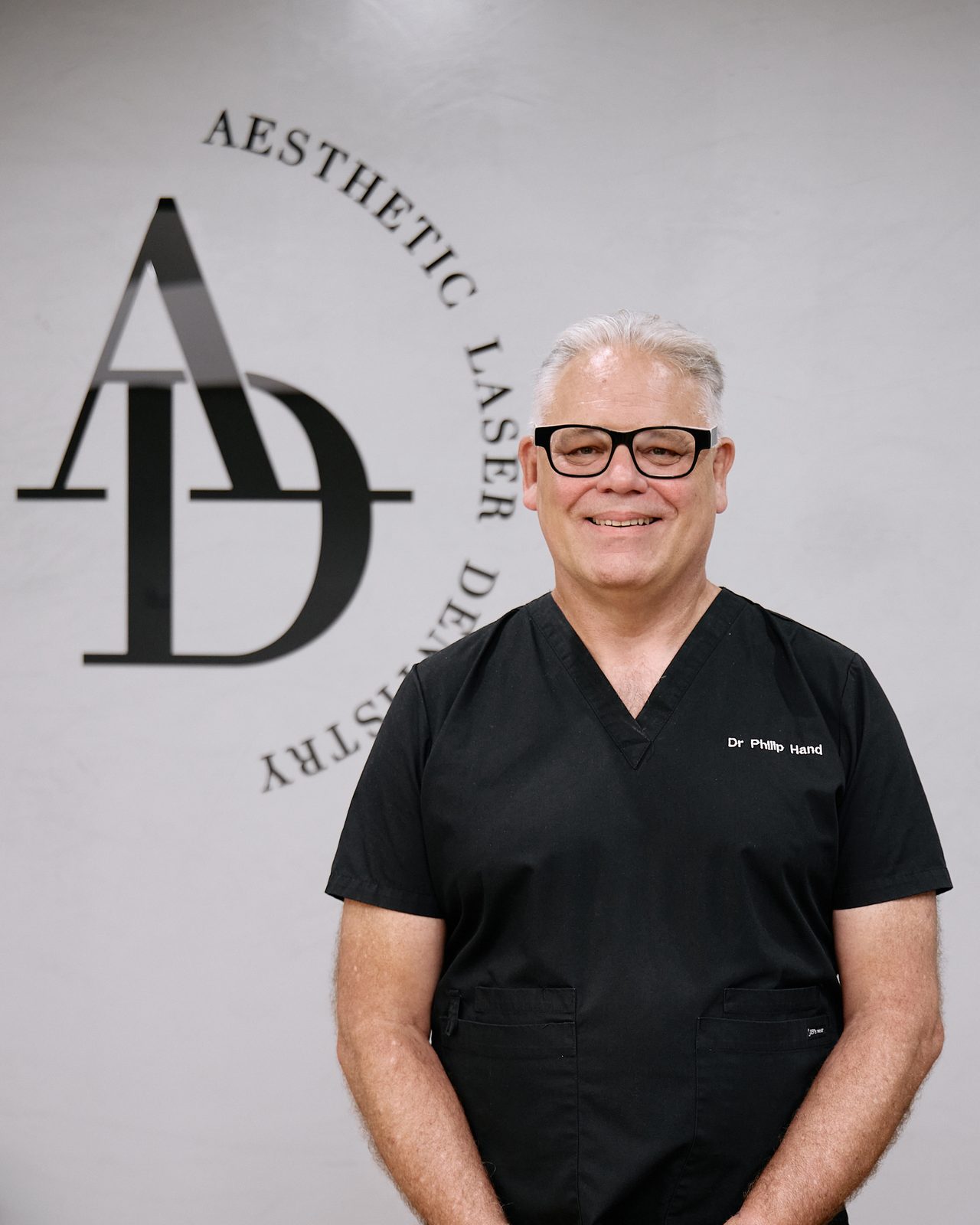
Your dentist
Dr Philip Hand
Principal dentist
Root canal treatment is part of Dr Hand’s focus, including single-visit treatment where the tooth is suitable. Our other dentists also provide root canal treatment, as part of our general dentistry.
- Bachelor of Dental Surgery, University of Otago, 1984, and a dentist for more than 40 years
- Member of the Australian Society of Endodontology
- Principal dentist at the practice formerly known as Marriott and Hand
- AHPRA registration DEN0000982631
Root canal questions.
Something not covered here? Call us on (03) 9330 2455 or email reception@aldclinic.com.au.
Does root canal treatment hurt?
The tooth is numbed with local anaesthetic before treatment starts, and you can ask us to pause at any time. Many people come in because the tooth already aches, and treatment removes the inflamed pulp behind that ache. The tooth can feel tender for a few days afterwards.
How many appointments does a root canal take?
One or two in most cases. Single-visit treatment is offered where the tooth is suitable; otherwise there are two visits with a medicated dressing in between. If a crown is needed, it is made afterwards.
Is it better to remove the tooth than have a root canal?
Removing the tooth is quicker on the day, but the gap may then need a dental implant, a bridge or a denture. Root canal treatment keeps your own tooth. Your dentist explains both options and their likely costs, so you can decide.
What happens if I leave an infected tooth?
An infected pulp does not heal by itself. The infection can spread to the bone around the root and cause an abscess, and the tooth can become harder to save. If you have facial swelling with trouble swallowing or breathing, go to a hospital emergency department straight away.
Clinically reviewed by Dr Philip Hand, principal dentist, AHPRA registration DEN0000982631.

Talk to us about a painful tooth.
Our dentists can assess the tooth and explain your options, from 7:30am Monday to Friday at 3/23 Louis St, Airport West VIC 3042.