
Aesthetic dentistry
Porcelain veneers in Airport West
Thin porcelain facings, designed around your face and tried in as a trial smile before they are made.
Porcelain veneers are thin, custom-made porcelain facings bonded to the front surface of the teeth to change their shape, colour and size. Dr James Bartalotta plans them with digital smile design and a trial smile, so you can see and adjust the proposed shape before anything permanent is done.
Trial smile
Before anything is made
Two types
Traditional and minimal-preparation
Fees
Quoted in writing after a consultation
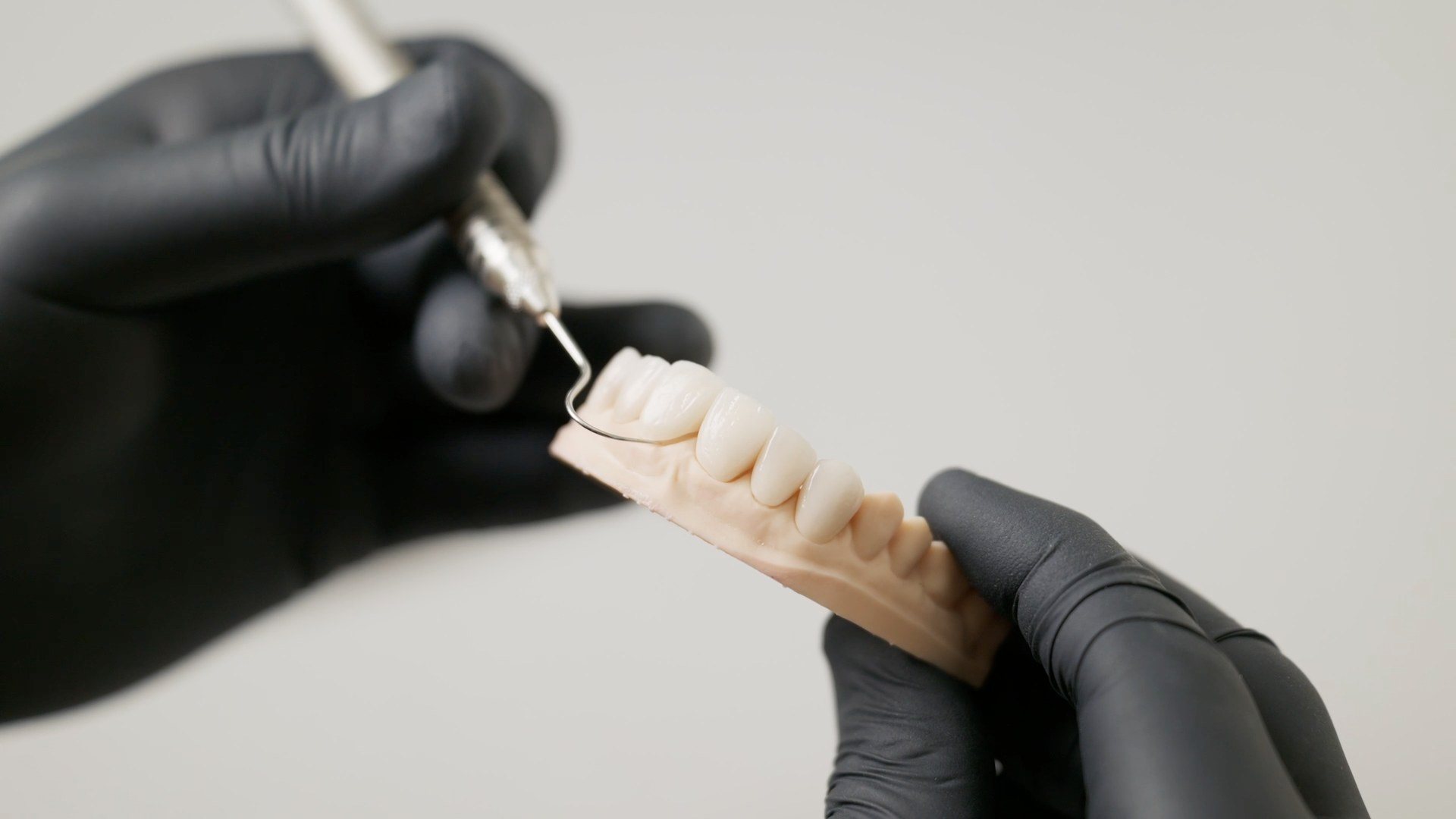
What can porcelain veneers change?
Veneers can change the shape, colour and size of teeth. Whether they suit you depends on your teeth and bite, which we assess first.
If teeth are noticeably crooked, straightening them first with clear aligners can mean less shaping of the teeth later. For one or two chipped teeth, composite bonding may need little or no shaping of the tooth at all.
Commonly considered for
- Chipped or worn teeth
- Stained or discoloured teeth
- Teeth that are an irregular shape or size
- Small gaps between the teeth
- Teeth that are slightly misaligned or mildly crowded
Traditional or minimal-preparation veneers?
Both types are offered at the practice. Which type suits your teeth is decided with you after an examination.
Traditional porcelain veneers
Slightly thicker, so more of the outer enamel is shaped to make room for them. This allows larger changes to shape and colour.
Minimal-preparation veneers
Very thin, and need little enamel removed. They suit some teeth, such as small or worn teeth, but not every case.
Porcelain veneers can be made very thin, but most still need a thin layer of enamel removed first, and this change is permanent.
Trial smile
Can I see my veneers before they are made?
Yes. The proposed smile is designed on screen with digital smile design, around your face, lips and gum line as well as your teeth, then tried in your mouth as a trial smile: a temporary mock-up over your own teeth that you can see and adjust.
We use digital design software to create a preview of the proposed smile. The preview is a planning guide, and your result may differ.
What happens at each appointment?
Five steps, from the first examination to a review once your veneers have settled.
1
Consultation
An examination of your teeth, gums and bite, with photographs and a 3D scan. Decay, gum disease or grinding is treated first.
2
Design and trial smile
The digital design is tried in as a mock-up and adjusted with you.
3
Preparation
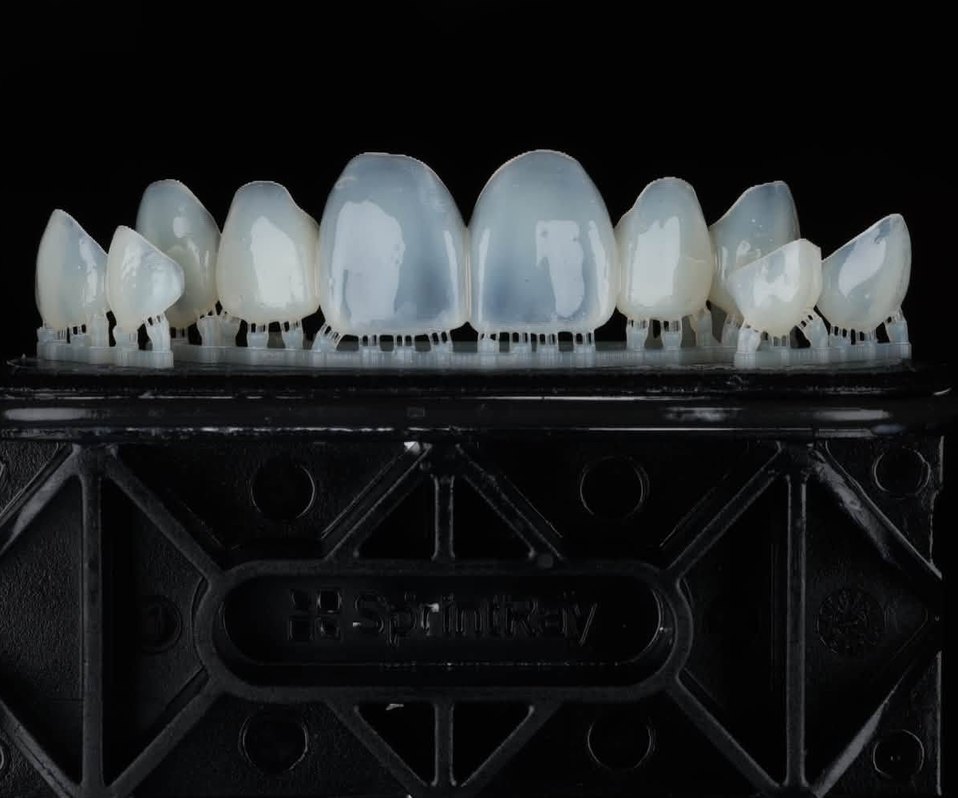
The teeth are usually numbed, a thin layer of enamel is shaped where needed, and the teeth are scanned. Temporary veneers, 3D printed at the practice, can be worn while the porcelain is made.
4
Fitting
The veneers are made in a dental laboratory, checked for shape, colour and fit, then bonded in place.
5
Review
We check your bite and gums once the veneers have settled.
Timing depends on your plan. It is given at the planning stage, before treatment begins.
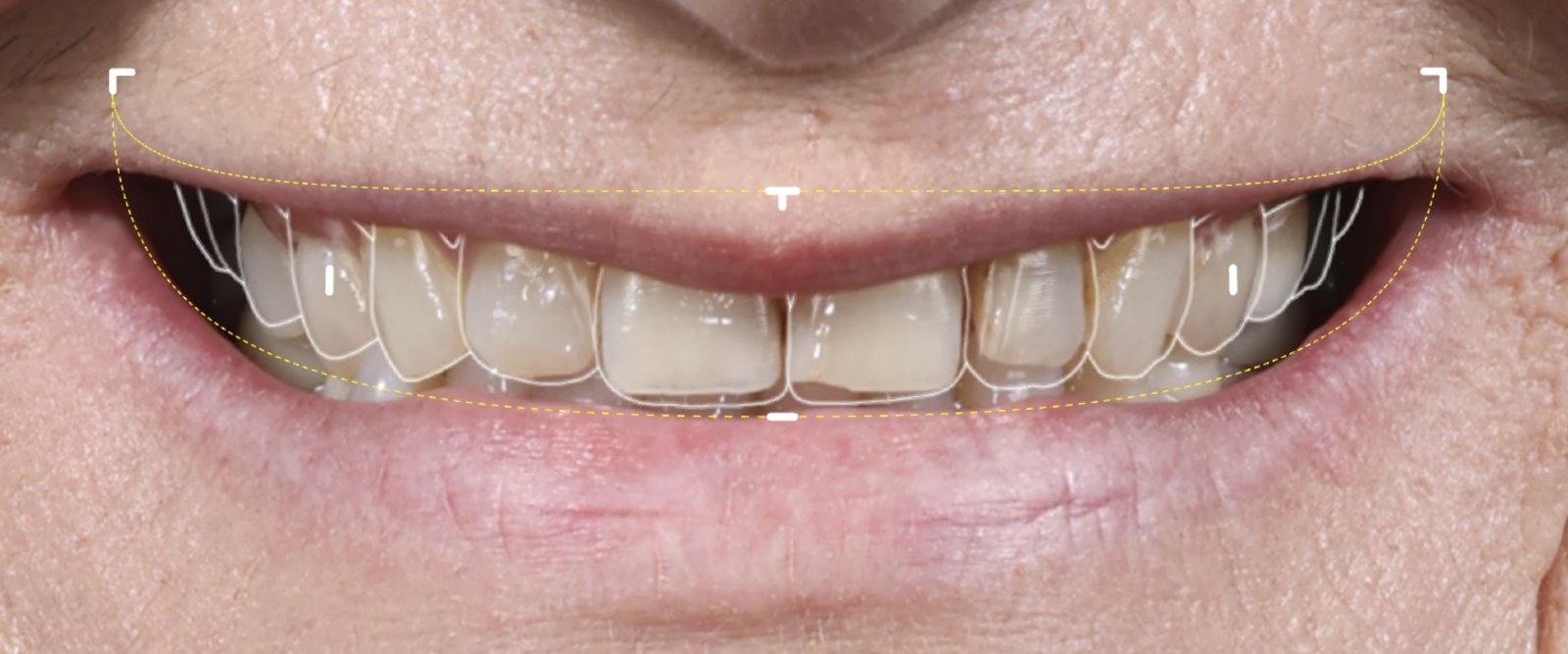
1
2D smile design
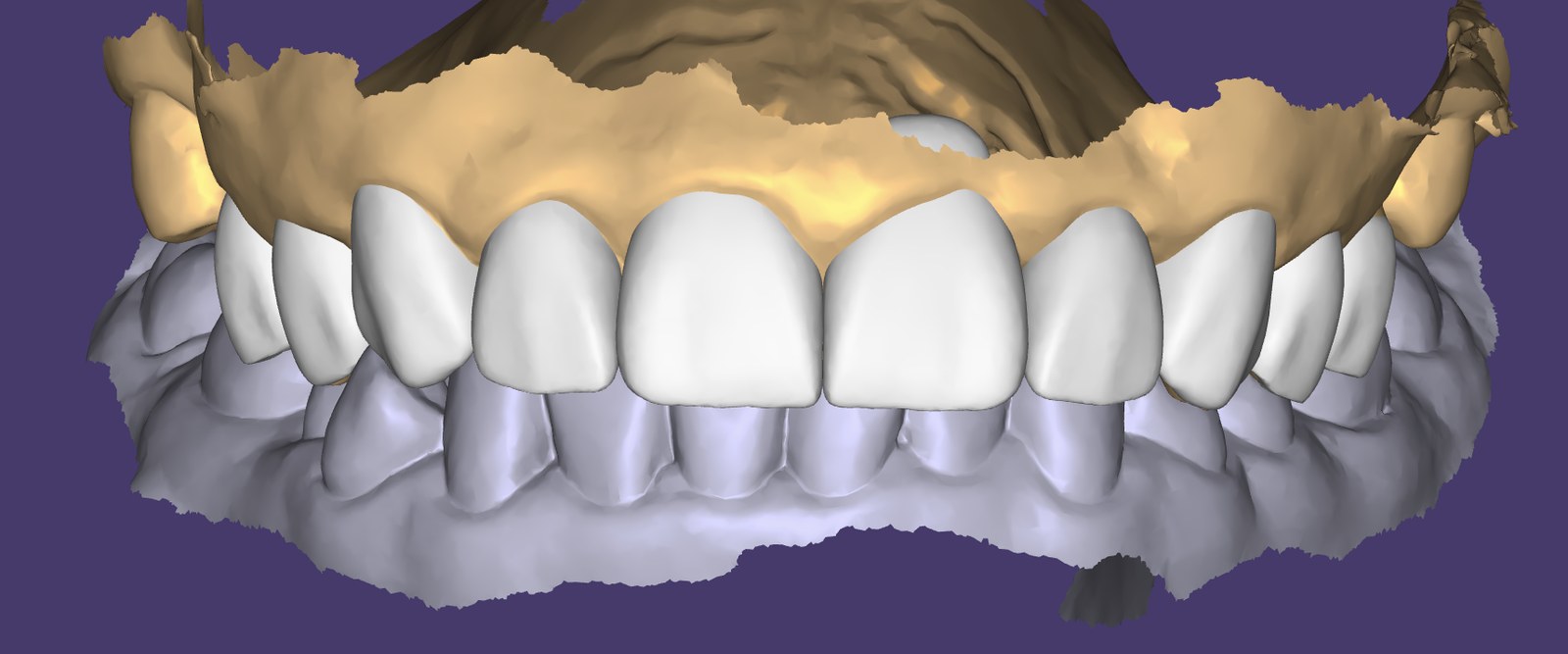
2
3D veneer design
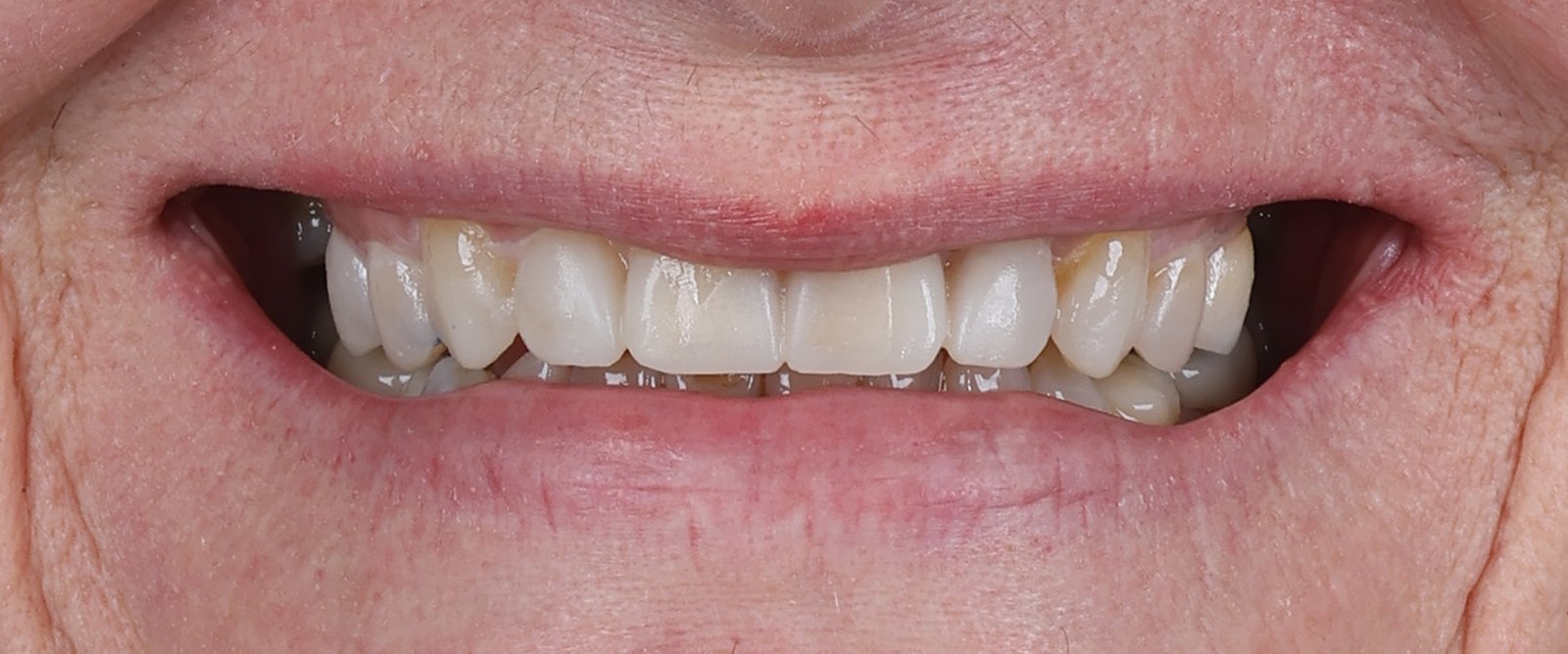
3
Trial smile in the mouth
From design to trial smile: the new smile is planned in 2D and 3D, then tried in the mouth as a mock-up before any tooth is prepared. All three images are from one patient’s plan.
Porcelain veneer cases.
Two cases treated by Dr James Bartalotta, photographed before and after treatment. Drag the handle, or use the arrow keys, to compare.
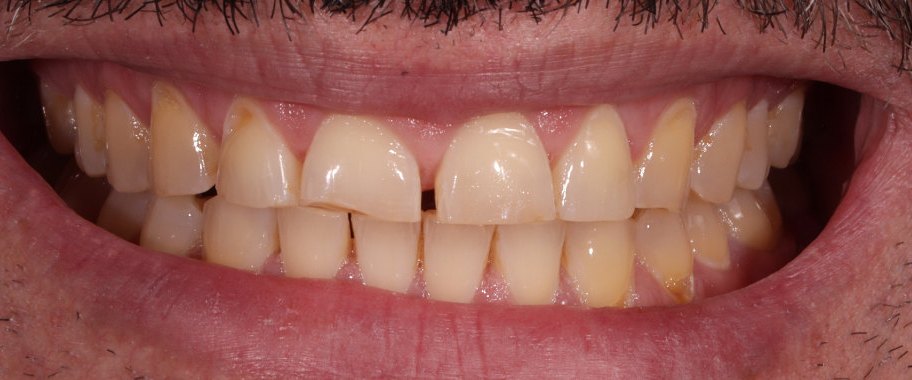
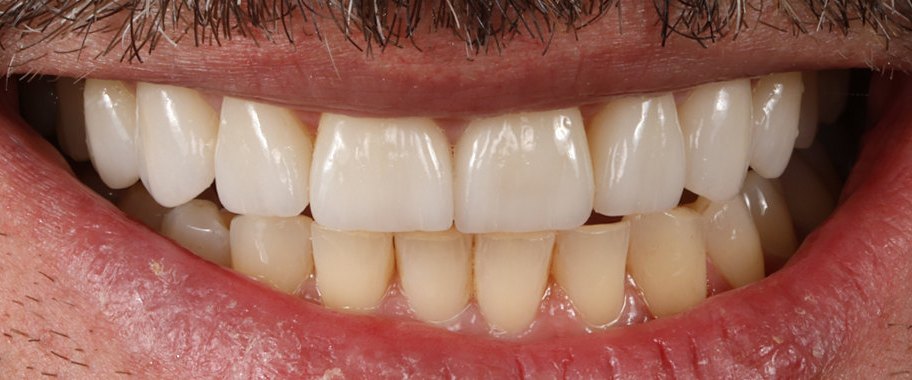
Porcelain veneers, eight upper teeth
Came in with: worn teeth.
After photo taken 2 weeks after treatment
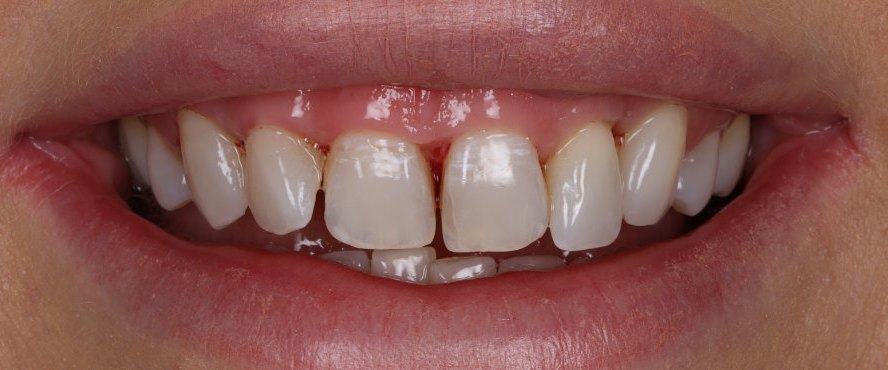
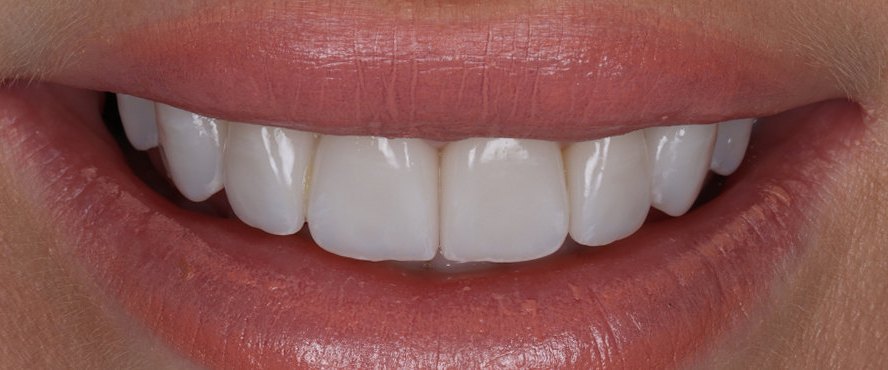
Porcelain veneers, eight teeth, with whitening
Came in with: an uneven, gummy smile and small teeth.
After photo taken 6 weeks after treatment
About these images
Treatment performed by Dr James Bartalotta (Dentist), AHPRA Registration No: DEN0002229514. The results shown here are specific to this individual patient and will not be the same for everyone, as outcomes can vary depending on a person’s unique dental health and circumstances. This case is shared with the patient’s written consent.These images are shown for educational purposes only, to illustrate what treatment can involve. These images are unedited and taken under consistent conditions to accurately reflect the outcome of treatment. This post is intended as general information only and should not be relied upon as a substitute for a personalised consultation. We always recommend that individuals seek a professional dental consultation to assess their suitability for treatment, and you are entitled to seek a second opinion from another registered health practitioner before making any decisions about your care.
What is recovery like?
Some sensitivity and tenderness for a few days after preparation and fitting is common, and it usually settles. Your bite may feel different at first.
Call us if discomfort lasts, or if a veneer feels high or rough.
How long do porcelain veneers last?
Porcelain is durable and resists staining, and with good care veneers can last many years. Like natural teeth they can chip or break, and the teeth around and under them can still decay, so care still matters.
- Brush twice a day and clean between the teeth every day
- Avoid biting ice, hard lollies, pens or fingernails
- Wear a night guard if you grind or clench
- Keep up regular check-ups and cleans
Your dentist
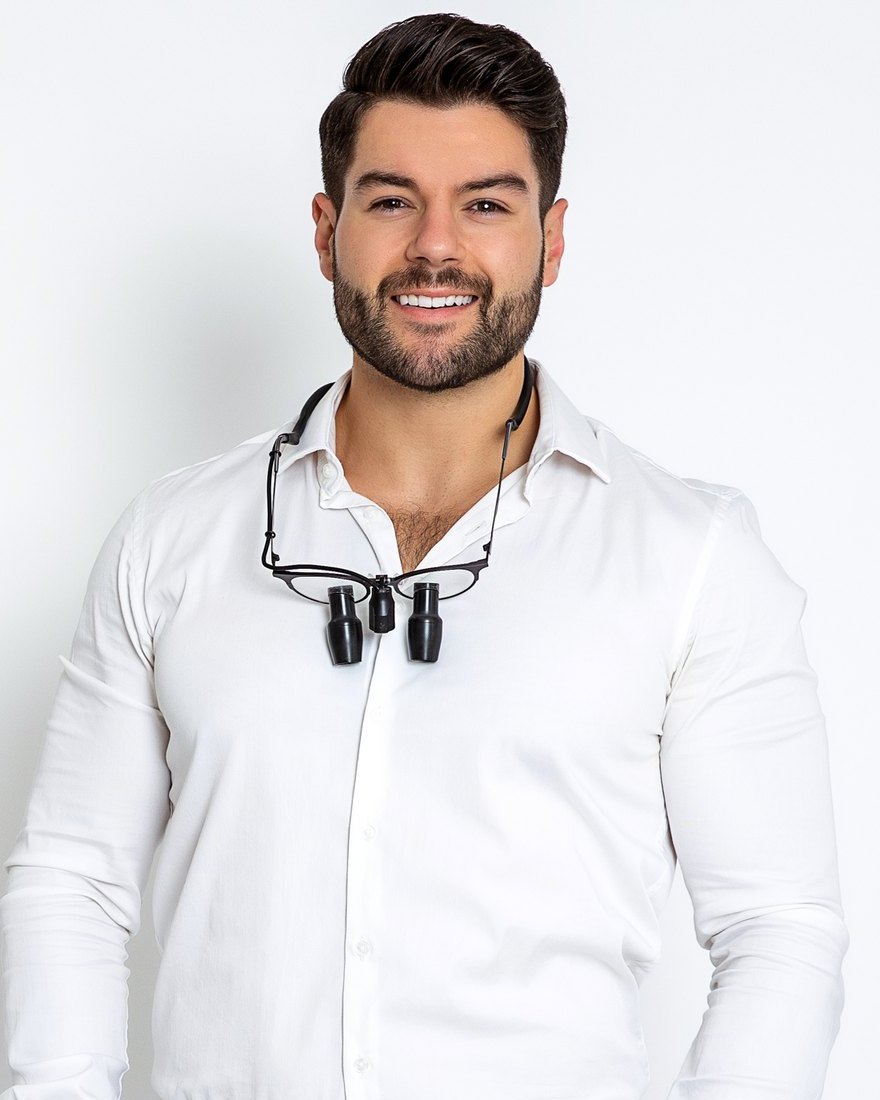
Dr James Bartalotta
Principal dentist
Dr Bartalotta’s areas of focus include porcelain veneers, rehabilitative dentistry and implant dentistry, including implant surgery. He teaches other dentists composite bonding and veneers as a Key Opinion Leader for Kerr and SDI (industry roles).
- Postgraduate Diploma in Aesthetic and Restorative Dentistry (ACDP)
- BHSc (Dentistry) and Master of Dentistry, La Trobe University
- Key Opinion Leader, Kerr and SDI (industry roles)
- General registration, AHPRA DEN0002229514
You can see cases treated at the practice in the smile gallery, and compare every option on the aesthetic dentistry page.
How much do porcelain veneers cost?
Fees are not published, because every plan is different. We give you a written quote after your consultation. HICAPS health fund claims can be made on the day, and humm payment plans are available.
What are the risks?
Shaping enamel is permanent, so a tooth prepared for a traditional veneer will always need a veneer or another restoration. Other risks include sensitivity, a veneer chipping or coming loose, gum changes over time and future replacement, and removing a veneer can affect the tooth underneath. Your dentist explains the risks and alternatives, including composite, whitening, aligners or no treatment, before you decide.
Porcelain veneer questions.
Something not covered here? Call us on (03) 9330 2455 or email reception@aldclinic.com.au.
Do porcelain veneers damage your teeth?
Traditional porcelain veneers need a thin layer of enamel removed so the veneer can sit flush with the surrounding teeth, and this change is permanent. Minimal-preparation options remove less enamel and may suit some cases. Your dentist explains which approach applies to you, along with the risks and alternatives, before any treatment begins.
How many veneers will I need?
The number of veneers depends on your teeth and what you would like to change. We talk this through with you at your consultation, and the trial smile shows how the planned number looks before anything is made.
Can porcelain veneers be whitened?
No. Whitening gel does not change the colour of porcelain. If you would like your other teeth lighter, whitening is usually done before the veneer shade is chosen, so the veneers can be matched to it.
What is the difference between porcelain and composite veneers?
Porcelain veneers are made in a dental laboratory and resist staining well. Compared with porcelain veneers, composite veneers usually need less shaping of the tooth, cost less and can often be done in one visit. They are less durable and may need repair or replacement sooner. Composite veneers at the practice are with Dr Julian Messina or Dr Tom Brookes.
Clinically reviewed by Dr James Bartalotta, Principal Dentist, Aesthetic Laser Dentistry (AHPRA registration DEN0002229514).

Talk to us about porcelain veneers.
Consultations at 3/23 Louis St, Airport West. Appointments from 7:30am, Monday to Friday.