
General dentistry
Wisdom teeth assessment and removal in Airport West
Checked with X-rays, kept when they are healthy, and removed when removal is the right option.
Wisdom teeth are the third molars at the very back of the mouth, and they usually come through in the late teens or early twenties, if they come through at all. At Aesthetic Laser Dentistry in Airport West, our dentists assess wisdom teeth and remove them when removal is the right option, and keep them under review at routine check-ups when it is not.
Assessment first
Removal only when it is the right option for that tooth
Imaging at the practice
Digital X-rays, and 3D imaging when a tooth sits close to the nerve
Early appointments
From 7:30am Monday to Friday, with four dentists at one practice
Do wisdom teeth always need to come out?
No. Wisdom teeth that have come through fully, sit in a good position and can be cleaned properly can often stay, so we look at each tooth on its own merits.
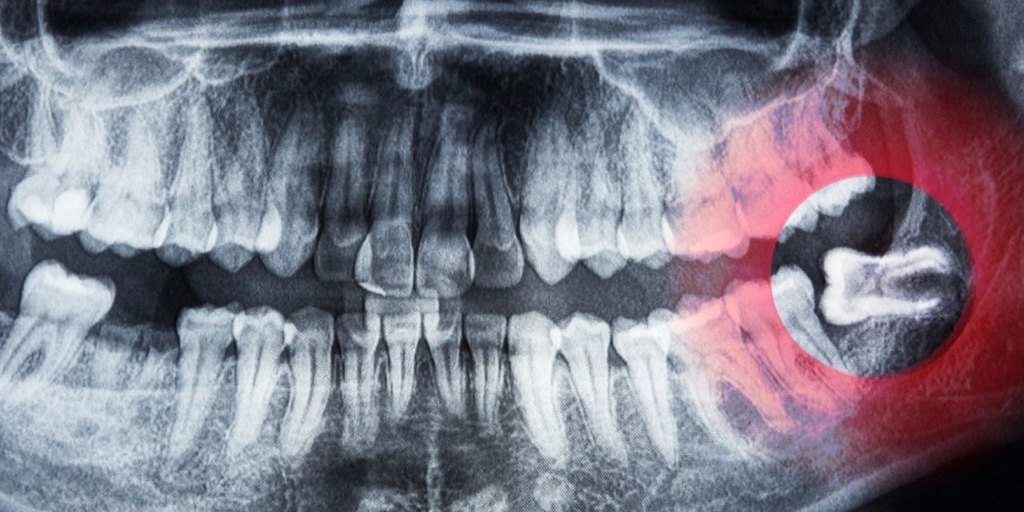
Removal is usually advised when a wisdom tooth:
- Is decayed and cannot be repaired well
- Causes repeated gum infections around a partly erupted tooth (pericoronitis)
- Is damaging the tooth in front of it, through decay or pressure on its root
- Has a cyst forming around it
- Is impacted (stuck under the gum or bone) and causing pain or other problems
Signs of a wisdom tooth problem.
Spreading swelling, or trouble swallowing or breathing, needs urgent care.
- Pain or tenderness at the back of the mouth or jaw
- Swollen, red or bleeding gum around a back tooth
- Difficulty opening your mouth fully, or a stiff jaw
- Bad breath or a bad taste that keeps coming back
- Food getting trapped behind the last tooth
From assessment to recovery.
Every wisdom tooth is assessed with an examination and an X-ray before anything is decided. These are the steps most people go through.
1
Examination and X-ray
An X-ray shows where each wisdom tooth sits, how its roots are shaped, and how close it is to the nerve in the lower jaw or the sinus above the upper teeth. Where a lower tooth sits close to the nerve, 3D imaging gives a clearer picture first.
2
Your options, in plain words
We explain whether to monitor the tooth, remove it, or refer you. If a tooth is deeply impacted, or you would prefer to be asleep for the procedure, we may refer you to an oral and maxillofacial surgeon.
3
Removal under local anaesthetic
The area is numb throughout. A fully erupted tooth is often removed like any other tooth. An impacted tooth needs a small surgical procedure, which may involve opening the gum, removing a little bone or dividing the tooth into sections, with stitches where needed.
4
Recovery
Most people feel much better within a few days. The aftercare below helps the socket heal.
Recovery after wisdom tooth removal.
Plan to rest for the rest of the day. Most people feel much better within a few days, and the gums usually take one to two weeks to heal.
A throbbing pain that starts a few days after removal can be a dry socket. Call us on (03) 9330 2455 if this happens.
Cold and pain relief
Hold an ice pack on your cheek on the first day, and take pain relief as your dentist advises.
No smoking or vaping
Do not smoke or vape for at least 72 hours.
The first 24 hours
Do not rinse or brush near the socket, and avoid alcohol and hot, caffeinated or fizzy drinks.
Soft, cool food
Avoid hard, chewy or spicy food that can lodge in the socket.
Salt water rinses
From the next day, rinse gently with warm salty water after meals.
Risks of wisdom tooth removal
Most people recover well after wisdom tooth removal, but side effects can occur. They include swelling, bruising and a stiff jaw for a few days, bleeding, dry socket and infection. Less commonly, nearby teeth, the jawbone or the sinus can be affected, and some people have temporary numbness or tingling in the lip, chin or tongue.
Cost and payment
Fees are not published, because they depend on how many teeth come out and how complex each one is. You receive a quote after your assessment and X-ray. HICAPS claims are processed on the day, and humm payment plans are available, subject to approval.
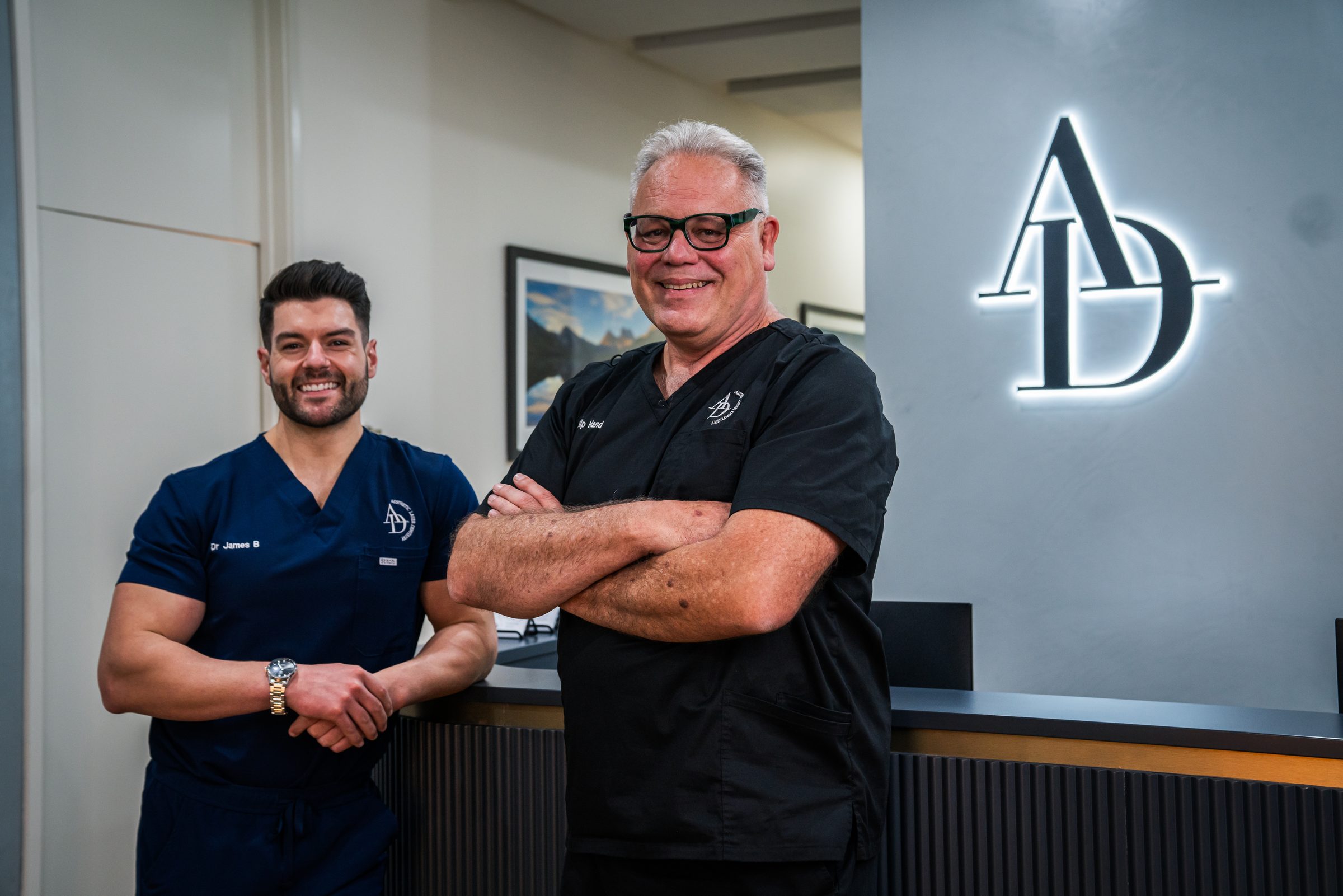
Four dentists at one practice.
Wisdom teeth are assessed as part of general dental care at the practice, where our dentists are Dr Philip Hand, Dr James Bartalotta, Dr Julian Messina and Dr Tom Brookes. The practice has cared for Melbourne’s north-west for more than 30 years.
Wisdom teeth questions.
Something not covered here? Call us on (03) 9330 2455 or email reception@aldclinic.com.au.
How long does it take to recover from wisdom teeth removal?
Most people feel much better within a few days, and the gums usually take one to two weeks to heal. Recovery after a surgical removal takes a little longer than after a simple one.
Does wisdom tooth removal hurt?
The area is numb during the procedure, so you should feel pressure rather than pain. Soreness and swelling are normal for a few days afterwards and often peak around day two or three. Pain relief, taken as your dentist advises, keeps most people comfortable.
What is a dry socket?
A dry socket happens when the blood clot in the socket is lost or does not form, leaving the bone exposed. It causes a throbbing pain that starts a few days after removal. Call us if this happens: it is treated by cleaning and dressing the socket.
When can I go back to work or school?
Many people take one or two days off after a simple removal, and a little longer after surgical removal. Avoid strenuous exercise for the first few days.

Have your wisdom teeth checked.
Book an appointment to have your wisdom teeth assessed and to discuss whether they need to come out. 3/23 Louis St, Airport West, from 7:30am Monday to Friday.